Quotessence
Home / Quotes / Quote by Thomas Hardy

Quote by Thomas Hardy

Work

Far From the Madding Crowd

This novel follows the romantic entanglements of Bathsheba Everdene, a strong-willed woman living in the English countryside, as she navigates love, marriage, and the complexities of her social environment. more

Author
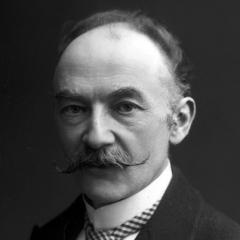
Thomas Hardy
Thomas Hardy

Thomas Hardy, a British novelist born on June 2, 1840, and died on January 11, 1928, is renowned for his novels that depict rural life, reflecting the social changes in 19th-century England. His works often carry a sense of pessimism, depicting the fates of characters with sympathy. more

You May Also Like

“Nostalgia is not indulgence. Nostalgia tells us we are in the presence of imminent revelation, about to break through the present structures held together by the way we have remembered: something we thought we understood but that we are now about to fully understand, something already lived but not fully lived, issuing not from our future but from something already experienced; something that was important, but something to which we did not grant importance enough, something now wanting to be lived again, at the depth to which it first invited us but which we originally refused. Nostalgia is not an immersion in the past, nostalgia is the first annunciation that the past as we know it is coming to an end.”

“And numerous indeed are the hearts to which Christmas brings a brief season of happiness and enjoyment. How many families, whose members have been dispersed and scattered far and wide, in the restless struggles of life, are then reunited, and meet once again in that happy state of companionship and mutual goodwill, which is a source of such pure and unalloyed delight; and one so incompatible with the cares and sorrows of the world, that the religious belief of the most civilised nations, and the rude traditions of the roughest savages, alike number it among the first joys of a future condition of existence, provided for the blessed and happy! How many old recollections, and how many dormant sympathies, does Christmas time awaken! We write these words now, many miles distant from the spot at which, year after year, we met on that day, a merry and joyous circle. Many of the hearts that throbbed so gaily then, have ceased to beat; many of the looks that shone so brightly then, have ceased to glow; the hands we grasped, have grown cold; the eyes we sought, have hid their lustre in the grave; and yet the old house, the room, the merry voices and smiling faces, the jest, the laugh, the most minute and trivial circumstances connected with those happy meetings, crowd upon our mind at each recurrence of the season, as if the last assemblage had been but yesterday! Happy, happy Christmas, that can win us back to the delusions of our childish days; that can recall to the old man the pleasures of his youth; that can transport the sailor and the traveller, thousands of miles away, back to his own fireside and his quiet home!”

“عندما يموت الأب يصير الإبن أبا نفسه و ابن نفسه في نفس الوقت. ينظر إلى وجه طفله ويرى نفسه في وجه الصبي ، يتخيل ما الذي يراه الصبي عندما يلتفت نحوه وينظر إلى وجهه و يتكشّف للصبي أنه أبو نفسه. ولسبب غامض يجد نفسه مأخوذا بهذه الفكرة ، ليس منظر الصبي مكتشفا الحقائق هو ما دوّخه باللذة ، ولا حتى فكرة أنه يقف داخل أبيه ، ولكن الذي يراه في وجه الصبي من حياته الماضية المتلاشية. إنها حالة من "النوستالجيا" لحياته نفسها ، هذا ما يشعر به ، ربما ذكرى لطفولته كابن لوالده. ولسبب غامض أيضا يجد نفسه يرتعش في تلك اللحطة من الفرح ومن الأسى معا -لو كان هذا ممكنا- وكأنه يتقدم وفي نفس الوقت يتخلف ، نحو المستقبل ونحو الماضي معا. وهناك أوقات ، ودائما ما كانت هناك مثل هذه الأوقات ، عندما تكون هذه المشاعر في أشد قوتها وانفلاتها ، حتى يعود غير واثق من أن حياته تقيم في الزمن الحاضر”