“Ma qualcuno potrebbe chiedermi: dove si trovava l'angelo custode di Tess? Esisteva una provvidenza che tutelasse la sua ingenua fiducia? Forse, come quell'altra divinità di cui parlava l'ironico Tisbita, stava chiacchierando, o era inseguito, o era in viaggio o forse, stava dormendo e non si era svegliato. Perché su questo bel tessuto femminile, sensibile come una sottile ragnatela e sino ad allora immacolato come la neve veniva tracciato un disegno così rozzo come quello che era destinato a ricevere? Perché così di sovente ciò che è rozzo s'impossessa di ciò che è più delicato: l'uomo sbagliato, di una donna, la donna sbagliata, di un uomo? Migliaia d'anni di filosofia analitica non sono riusciti a spiegarlo al nostro concetto di ordine. Si potrebbe infatti ammettere la possibilità di una vendetta nascosta nella attuale catastrofe; senza dubbio qualche antenato di Tess d'Urberville, in cotta di maglia, tornando a casa eccitato da una rissa aveva usato lo stesso metro, ancor più spietato forse, verso le contadine del suo tempo. Ma, se far ricadere i peccati dei padri sui figli possa essere una morale abbastanza valida per i teologi, questa viene rifiutata dalla comune natura umana; e quindi non servirebbe a migliorare la situazione. La gente come Tess, in quei luoghi sperduti, non si stanca mai di ripetere col tono fatalistico che le è proprio: Doveva accadere.”
Quote by Thomas Hardy
Work
This nineteenth-century novel centers on Tess Durbeyfield, a rural peasant girl whose father learns of distant aristocratic ancestry. Sent to claim kinship with the wealthy D'Urberville family, Tess encounters Alec D'Urberville, whose actions set in motion a chain of events that shadow her subsequent life. Later working as a milkmaid, she forms a relationship with Angel Clare, a man of progressive ideals whose response to her past reveals the gap between principle and practice. The narrative traces Tess's movement through agricultural labor, social stigma, and shifting moral landscapes, examining how individual character intersects with circumstance, class hierarchy, and gendered double standards. Hardy's subtitle, "A Pure Woman Faithfully Presented," signals his authorial stance toward his protagonist, framing the work as social critique as much as personal tragedy. The novel belongs to the pastoral tradition while subverting its conventions, and it contributed to debates about sexual morality, religious doubt, and the representation of working-class experience in literature. more
Author
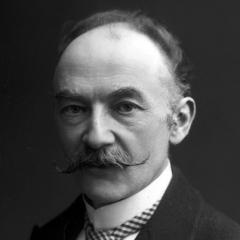
Thomas Hardy, a British novelist born on June 2, 1840, and died on January 11, 1928, is renowned for his novels that depict rural life, reflecting the social changes in 19th-century England. His works often carry a sense of pessimism, depicting the fates of characters with sympathy. more