“So, you may ask, what is the use of studying the world of imagination where anything is possible and anything can be assumed, where there are no rights or wrongs and all arguments are equally good? One of the most obvious uses, I think, is its encouragement of tolerance. In the imagination our own beliefs are also only possibilities, but we can also see the possibilities in the beliefs of others. Bigots and fanatics seldom have any use for the arts, because they're so preoccupied with their beliefs and actions that they can't see them as also possibilities. It's possible to go to the other extreme, to be a dilettante so bemused by possibilities that one has no convictions or power to act at all. But such people are much less common than bigots, and in our world much less dangerous.”
Quote by Northrop Frye
Work
The Educated Imagination
This book delves into the significance of imagination in the educational process, discussing how it fosters personal development and enhances analytical skills. more
Author
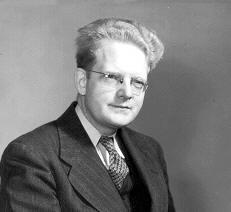
Northrop Frye
Northrop Frye was a Canadian literary critic and literary theorist, renowned for his extensive work on the Bible, mythology, and the literary imagination. His theories have had a significant impact on the field of literary criticism and have influenced many scholars and critics. more
You May Also Like
Source: Pathways to Bliss: Mythology and Personal Transformation
“We want the author to give us answers when all he can do is give us desires.”
Source: On Reading
Source: Writing Fiction for Dummies
Source: The Educated Imagination
Source: Time regained