“Whenever you go out-of-doors, draw the chin in, carry the crown of the head high, and fill the lungs to the utmost; drink in the sunshine; greet your friends with a smile, and put soul into every handclasp. Do not fear being misunderstood and do not waste a minute thinking about your enemies. Try to fix firmly in your mind what you would like to do; and then, without veering off direction, you will move straight to the goal. Keep your mind on the great and splendid things you would like to do, and then, as the days go gliding away, you will find yourself unconsciously seizing upon the opportunities that are requiered for the fulfillment of your desire, just as the coral insect takes from the running tide the element it needs. Picture in your mind the able, earnest, useful person you desire to be, and the thought you hold is hourly transforming you into that particular individual... Thought is supreme. Preserve a right mental attitude - the attitude of courage, frankness, and good cheer. To think rightly is to create. All things come through desire and every sincere prayer is answered. We become like that on which our hearts are fixed. Carry your chin in and the crown of your head high. We are good in the chrysalis.”
Quote by Elbert Hubbard
Author
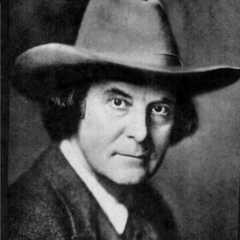
Elbert Hubbard
Elbert Hubbard was a prominent writer, publisher, and philosopher. He is best known for his magazine 'The Roycroft Studio' and his autobiography 'My Life and Work'. Hubbard's works emphasized the importance of craftsmanship, simple living, and self-improvement. more
You May Also Like
“I'm not an expert of cars but I know how they make me feel.”
Source: Moon Tiger
“Too much feeling in his body to handle anything appropriately.”
Source: Mostly Dead Things
“Mauna Kea Sickness (MKS) left me appearing alive on the outside and feeling dead on the inside.”
Source: The INTP: Personality, Careers, Relationships, & the Quest for Truth and Meaning
Source: The INTP: Personality, Careers, Relationships, & the Quest for Truth and Meaning