Quotessence
Home / Quotes / Quote by Nathaniel Hawthorne

Quote by Nathaniel Hawthorne

Work

The Scarlet Letter

Nathaniel Hawthorne's classic novel is a profound exploration of human nature and the consequences of sin in a Puritan community. The protagonist, Hester Prynne, faces societal judgment and personal turmoil after being caught in an adulterous affair. The novel delves into themes of guilt, forgiveness, and the struggle for identity, while also examining the complexities of human relationships and the role of society in shaping individual lives. more
Author

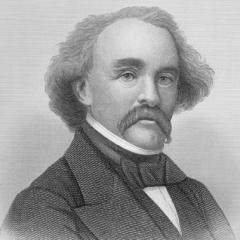
Nathaniel Hawthorne
Nathaniel Hawthorne

Nathaniel Hawthorne was an American novelist known for his Gothic novels and romantic works. His writings often delve into themes of morality and sin, influenced by his family history and Puritan background. more

You May Also Like

“There were a lot of these middle-aged single types in the neighborhood, shipwrecked by every kind of catastrophe, but she was one of the few who didn't have children, who lived alone, who was still kinda young. Something must have happened, your mother speculated. In her mind, a woman with no child could be explained only by vast untrammelled calamity. Maybe she just doesn't like children. Nobody likes children, your mother assured you. That doesn't mean you don't have them.”

“The idea that women's strong attachments to each other are what make them so vulnerable is horrifying. I count my close friendships with a few girls that I know as one of the best things I have going for me right now. My love for them leaves me open to hurt, but ... all love does, or at least that's the cliche. Perhaps girls and women do come to love each other too quickly, or once they are trapped into appearing as though they love one another, they don't want to back out of it. That is probably true. But a fear of confrontation in relationships is the downside. The ability to love easily is a positive.”

“For one of the first pressures that bear down on American girls is the pressure not only to be liked but to be like everyone else. This initial feat of self-transformation often involves loosening one's grip on that quiet sense of inner self and hitching one's wagon to a single standard of beauty. The stress of leaping through that hoop insinuates itself into the young heart and soul with a vengeance, and insecurities go from being hard little buds of confusion to overripe, snarled and tyrannical fruits that hang on the vine as we age.”