Quotessence
Home / Quotes / Quote by Confucius

Quote by Confucius

“In following the Way, the noble-minded treasure three things: a manner free of violence and arrogance, a countenance full of sincerity and trust, a voice free of vulgarity and impropriety.”

Quote by Confucius

Work

The Analects

The Analects is a foundational text of Confucianism, compiling the sayings and thoughts of the ancient Chinese philosopher Confucius. It covers a range of topics including moral philosophy, governance, and social conduct. more
Author

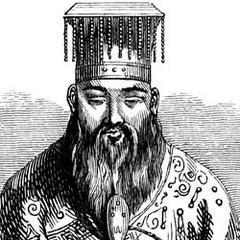
Confucius
Confucius

Confucius, also known as Kong Qiu or Zhongni, was a great philosopher, educator, and politician during the Spring and Autumn period of ancient China. He advocated for benevolence, rule of propriety, and the doctrine of the mean, and his thoughts have had a profound impact on Chinese and world culture. more

You May Also Like

“When we maintain a conscious connection with Gratitude, our presence will naturally radiate a certain beauty and undisturbed, inner tranquillity. Such individuals glow. All such individuals look beautiful and seem irresistible to those who value goodness. They have an attractor field of loveliness which, likewise, tends to bring out the beauty in other people.”

“Imagine that the keeper of a huge, strong beast notices what makes it angry, what it desires, how it has to be approached and handled, the circumstances and the conditions under which it becomes particularly fierce or calm, what provokes its typical cries, and what tones of voice make it gentle or wild. Once he's spent enough time in the creature's company to acquire all this information, he calls it knowledge, forms it into a systematic branch of expertise, and starts to teach it, despite total ignorance, in fact, about which of the creature's attitudes and desires is commendable or deplorable, good or bad, moral or immoral. His usage of all these terms simply conforms to the great beast's attitudes, and he describes things as good or bad according to its likes and dislikes, and can't justify his usage of the terms any further, but describes as right and good the things which are merely indispensable, since he hasn't realised and can't explain to anyone else how vast a gulf there is between necessity and goodness.”