Quotessence
Home / Quotes / Quote by Wes Moore

Quote by Wes Moore

Work

Five Days: The Fiery Reckoning of an American City

Browse quotes and source details for this work. more

Author
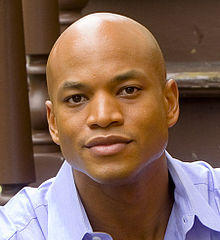
Wes Moore
Wes Moore

Wes Moore is an American author and entrepreneur recognized for his works that delve into themes of identity, opportunity, and social justice. Born on October 15, 1978, Moore's life story is one of overcoming adversity, as he rose from a challenging upbringing to achieve success in higher education and the private sector. His writing often intertwines personal narrative with broader social commentary, making him a prominent figure in contemporary American literature. more

You May Also Like

“Our senses were assaulted with colours, smells and noise. We saw a million saris, and never once did I see the same pattern repeated twice. We saw poverty that both humbled and disturbed us. We bartered with street traders for Indian prices, not tourist prices. We stopped by the side of the road and watched an old man crushing sugar canes so that we could drink the juice. It was the most delectable and flavourful drink we have ever tasted. We walked barefoot around the Swaminarayan Akshardham, the largest Hindu house of worship in the world, and were absolutely awed. The whole temple echoes with spirituality and we could have spent an entire day there. I saw a village of dirty black bricks, no rendering, just filth and grime, and right in the middle an exquisite and elegant white temple, freshly painted and unblemished. We drove from Jaipur to Delhi. The previous day the road had been closed due to the Jat caste protests. Thirty people died, ten women reported being raped and buildings and cars were set on fire”

“In marked contrast to the wars we can always afford you will frequently hear the same people talk about not having the money for any number of things that affect the lives of poor people, such as adequate fire safety, decent pay for nurses and teachers and winter fuel for the elderly: this is classism. The state makes choices about the interests in which collective resources will be spent. Poor people have no real voice in British politics, but we do have an unelected second chamber of ‘lords’ influencing policy. None of this is conducive to having a truly democratic society and we may not be able to substantially change it, but it is important that we at least understand what’s going on. Class affects everything - culture, confidence and worldview - and the class system is so entrenched in Britain that even a person’s accent carries with it implications about their social background.”