“About some books we feel that our reluctance to return to them is the true measure of our admiration. It is hard to suppose that many people go back, from a spontaneous desire, to reread 1984: there is neither reason nor need to, no one forgets it. The usual distinctions between forgotten details and a vivid general impression mean nothing here, for the book is written out of one passionate breath, each word is bent to a severe discipline of meaning, everything is stripped to the bareness of terror. Kafka's The Trial is also a book of terror, but it is a paradigm and to some extent a puzzle, so that one may lose oneself in the rhythm of the paradigm and play with the parts of the puzzle. Kafka's novel persuades us that life is inescapably hazardous and problematic, but the very 'universality' of this idea helps soften its impact: to apprehend the terrible on the plane of metaphysics is to lend it an almost soothing aura.”
Quote by Irving Howe
Work
This book is a scholarly compilation that includes the complete text of George Orwell's classic novel 'Nineteen Eighty-four,' which is a seminal work of dystopian fiction. It also features a range of sources and critical essays that provide historical background and in-depth analysis of the novel's themes and impact. more
Author
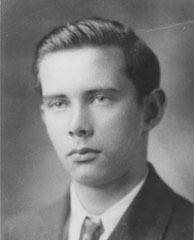
Irving Howe was a distinguished literary critic and intellectual in the United States. Renowned for his incisive analyses of American literature and his significant role in the Jewish intellectual community, Howe's work often explored the interplay between literature, politics, and culture. He was a pivotal figure in the formation of the New York Intellectuals. more
You May Also Like
“... novels contained something inexpressibly delicious.”
“Belajar adalah membaca, utamanya novel dan komik.”
“Quizás no tenga que salvar el mundo, sólo encontrar un lugar en él.”