“Once I was sitting on the steps near the gate at David's Citadel and I put down my two heavy baskets beside me. A group of tourists stood there around their guide, and I became their point of reference. "You see that man over there with the baskets? A little to the right of his head there's an arch from the Roman period. A little to the right of his head." "But he's moving, he's moving!" I said to myself: Redemption will come only when they are told, "Do you see that arch over there from the Roman period? It doesn't matter, but near it, a little to the left and then down a bit, there's a man who has just bought fruit and vegetables for his family.”
Quote by Yehuda Amichai
Work
The Selected Poetry Of Yehuda Amichai
This book is a compilation of Yehuda Amichai's most celebrated poems, offering readers a glimpse into the depth and beauty of his work. Amichai's poetry is known for its simplicity and emotional depth, often reflecting on the complexities of life and the human condition. more
Author
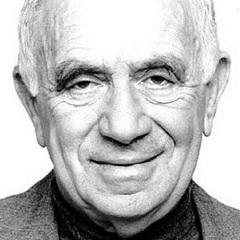
Yehuda Amichai
Yehuda Amichai, born on May 3, 1924, was a renowned Israeli poet. His poetry is known for its simplicity and depth, and has won the hearts of readers worldwide. Amichai's works often delve into themes such as life, love, war, and religion, displaying a high level of artistic value and thought-provoking content. more
You May Also Like
Source: The Truths We Hold: An American Journey
Source: Rule of Wolves
Source: The Secret History
Source: The Secret History
“Sometimes it takes a total break to lead to complete healing and restoration.”
Source: An Anointed Mess: Discovering the Daily Adventure of Grace Kindle Edition
Source: Saint Maybe
Source: Regret and Redemption
Source: A Dead End Job