“In the nineteenth century wealthy families were typically settled, often for several generations, in a given locale. In a nation of wanderers their stability of residence provided a certain continuity. Old families were recognizable as such, especially in the older seaboard cities, only because, resisting the migratory habit, they put down roots. Their insistence on the sanctity of private property was qualified by the principle that property rights were neither absolute nor unconditional. Wealth was understood to carry civic obligations. Libraries, museums, parks, orchestras, universities, hospitals, and other civic amenities stood as so many monuments to upper-class munificence.”
Quote by Christopher Lasch
Work
The Revolt of the Elites and the Betrayal of Democracy
This book delves into the transformation of political landscapes, analyzing how the elite have become disconnected from the democratic process and the needs of the general population. more
Author
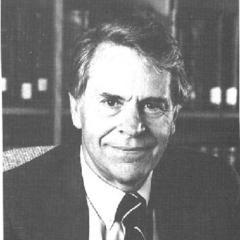
Christopher Lasch
Christopher Lasch (June 1, 1932 - February 14, 1994) was an American historian known for his critical analysis of modern American culture and society. His work explored themes such as individualism, consumerism, and the decline of morality, which had a profound impact on contemporary American society. more
You May Also Like
“You know what is beautiful? A real conversation with a real person.”
Source: Jonathan Harnisch: An Alibiography
“They had an assured income, nothing could disturb their calm.”
Source: Lolly Willowes
Source: The Revolt of the Elites and the Betrayal of Democracy
“Some people forget money and IQ points often do not correlate.”
“Rich people can change the world. poor people can't do that.”
Source: The Beat Match
“May GOD's mercy be on him who is lenient in his buying, selling, and in demanding back his money.”
“Nobody has ever eaten a better meal than that which one has earned by working with one's own hands”
“Wealth isn't what you earn, it's what you KEEP.”
Source: Understand Money: Your First Step to Financial Freedom (And Not Eating Cat Food in Retirement): Book #1 of 6