“In any organization, someone must be the boss. If it’s even just one person, you’ve got to be the boss of yourself.”
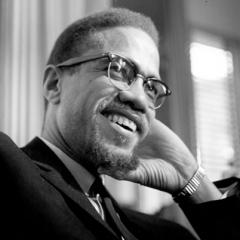
Quote by Malcolm X
Work
The Autobiography of Malcolm X
The Autobiography of Malcolm X is a first-person account of the life of Malcolm X, a prominent figure in the civil rights movement. The book covers his early life in rural Nebraska, his migration to New York City, his involvement with the Nation of Islam, and his subsequent evolution in his views on race and civil rights. The narrative is a candid look at his personal journey, his rise to prominence, and his eventual assassination. more
Author
You May Also Like
“It is way more pleasurable to master yourself than it is to masturbate.”
Source: When Breath Becomes Air
Source: Psychedelic Preparation Workbook: Sixty Days to Engagement
“Discipline is not about rules. It's about respect. Respect for yourself and others.”
“Master the dog, and in so doing you shall master yourself.”
Source: the dog
Source: Be Who You Are
“The foundation of a strong self comes from small acts of daily discipline.”
Source: Epictetus. The Discourses as Reported By Arrian. Vol. I. Books 1 and 2. With an English Translation By W. A. Oldfather