“Answer this to yourselves, & expel from among you those who pretend to despise the labours of Art & Science, which alone are the labours of the Gospel: Is not this plain & manifest to the thought? Can you think at all, & not pronounce heartily! That to Labour in Knowledge. is to Build up Jerusalem: and to Despise Knowledge, is to Despise Jerusalem & her Builders. And remember: He who despises & mocks a Mental Gift in another; calling it pride & selfishness & sin; mocks Jesus the giver of every Mental Gift. which always appear to the ignorance-loving Hypocrite, as Sins. but that which is a Sin in the sight of cruel Man. is not so in the sight of our kind God.”
Quote by William Blake
Work
Jerusalem: The Emanation of the Giant Albion
This book delves into the spiritual and symbolic significance of Jerusalem, drawing parallels with the mythical figure of the Giant Albion. It examines the cultural and religious symbolism associated with the city and its connection to the broader mythological narrative. more
Author
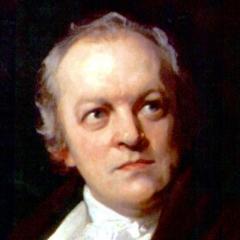
William Blake
William Blake (November 28, 1757 - August 12, 1827) was an English Romantic poet, painter, and printmaker. Known for his unique visual art and profound philosophical thoughts, he is considered one of the most innovative poets in the history of English literature. more
You May Also Like
Source: Tehran Moonlight
Source: Taken
Source: Corrective Love: The Power of Communion Discipline
Source: Corrective Love: The Power of Communion Discipline
Source: Dancer from the Dance
Source: Guilt free
Source: Guilt free