Quotessence
Home / Quotes / Quote by Dean Koontz

Quote by Dean Koontz

“In all our lives, however, there are many days when we die a little, when we are wounded by loss or failure, or by fear, or by seeing the suffering of others for whom we are able to offer only pity, for whom we are powerless to offer aid, we are beyond mercy.”

Quote by Dean Koontz

Work

Odd Apocalypse

Browse quotes and source details for this work. more

Author

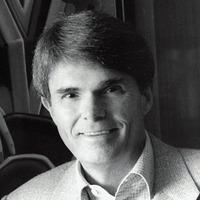
Dean Koontz
Dean Koontz

Renowned American author known for his suspense and horror novels. He has been writing since the 1970s and his works have been widely popular, winning numerous international awards. more

You May Also Like

“Jesus, the Blessed Child of God, is merciful. Showing mercy is different from having pity. Pity connotes distance, even looking down upon. When a beggar asks for money and you give him something out of pity, you are not showing mercy. Mercy comes from a compassionate heart; it comes from a desire to be an equal. Jesus didn’t want to look down on us. He wanted to become one of us and feel deeply with us. When Jesus called the only son of the widow of Nain to life, he did so because he felt the deep sorrow of the grieving mother in his own heart (see Luke 7:11-17). Let us look at Jesus when we want to know how to show mercy to our brothers and sisters.”

“There is an ocean of silence between us… and I am drowning in it.”

“Three essential keys (FAITH, HOPE and LOVE) will open the Heavens door.”

“I've also represented people who have committed terrible crimes but nonetheless struggle to recover and to find redemption. I have discovered, deep in the hearts of many condemned and incarcerated people, the scattered traces of hope and humanity - seeds of restoration that come to astonishing life when nurtured by very simple interventions. Proximity has taught me some basic and humbling truths, including this vital lesson: Each of us is more than the worst thing we've ever done. My work with the poor and incarcerated has persuaded me that the opposite of poverty is not wealth; the opposite of poverty is justice. Finally, I've come to believe that the true measure of our commitment to justice, the character of our society, our commitment to the rule of law, fairness, and equality cannot be measured by how we treat the rich, the powerful, the privileged, and the respected among us. The true measure of our character is how we treat the poor, the disfavored, the accused, the incarcerated, and the condemned. We are all implicated when we allow other people to be mistreated. An absence of compassion can corrupt the decency of a community, a state, a nation. Fear and anger can make us vindictive and abusive, unjust and unfair, until we all suffer from the absence of mercy and we condemn ourselves as much as we victimize others. The closer we get to mass incarceration and extreme levels of punishment, the more I believe it's never to recognize that we all need mercy, we all need justice, and - perhaps - we all need some measure of unmerited grace.”