Quotessence
Home / Quotes / Quote by Elizabeth Goudge

Quote by Elizabeth Goudge

“But anyhow it's over. But I am not as happy as I thought I'd be because when something you have dreaded comes to an end there's a sense of anticlimax, like dust in the mouth. All the crashing ruin, the falling and tumbling, are over, but the dust is horrible. They say it won't happen to me again but I expect they only say it to comfort me. But I must think it won't. I must be like the people who plant gardens and build houses all over again where the earthquake has been. At the back of their minds they know there may be another 'quake but with the front of their minds they plant gardens.”

Quote by Elizabeth Goudge

Work

The Scent of Water

In this evocative narrative, the reader is immersed in a world where the scent of water becomes a metaphor for life's journey. The story delves into the intricate tapestry of human connections, highlighting the profound impact of the natural world on the characters' lives. more

Author

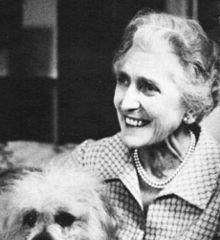
Elizabeth Goudge
Elizabeth Goudge

Elizabeth Goudge was a British author born on April 24, 1900, in Kent, England, and passed away on April 1, 1984. Known for her delicate emotions and rich imagination, her works mainly include historical novels and fantasy novels. Goudge's writing often explores themes of humanity, faith, and morality, which have won her a wide audience. more

You May Also Like

“This intensification of inner life helped the prisoner find a refuge from the emptiness, desolation and spiritual poverty of his existence, by letting him escape into the past. When given free rein, his imagination played with past events, often not important ones, but minor happenings and trifling things. His nostalgic memory glorified them and they assumed a strange character. Their world and their existence seemed very distant and the spirit reached out for them longingly: In my mind I took bus rides, unlocked the front door of my apartment, answered my telephone, switched on the electric lights. Our thoughts often centered on such details, and these memories could move one to tears.”

“Men had only touched him to bruise him. Every contact with them had been a blow. Never, since his infancy, since the days of his mother, of his sister, had he ever encountered a friendly word and a kindly glance. From suffering to suffering, he had gradually arrived at the conviction that life is a war; and that in this war he was the conquered. He had no other weapon than his hate. He resolved to whet it in the galleys and to bear it away with him when he departed.”