“How simple and frugal a thing is happiness: a glass of wine, a roast chestnut, a wretched little brazier, the sound of the sea. . . . All that is required to feel that here and now is happiness is a simple, frugal heart.”
Quote by Nikos Kazantzakis
Author
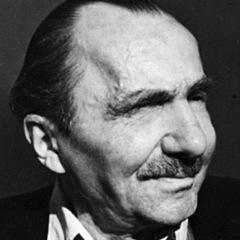
Nikos Kazantzakis
Nikos Kazantzakis, born on February 18, 1883, and died on October 26, 1957, was one of the most prominent Greek writers of the 20th century. Known for his profound exploration of human nature and philosophical thoughts, his works have transcended literature, philosophy, and religion. more
You May Also Like
Source: Asking For It
Source: The Sociopath Next Door
Source: My Life on the Road
“It's not always easy to convince someone a need exists, if they don't have that need themselves.”
Source: Invisible Women: Data Bias in a World Designed for Men
Source: Men Explain Things to Me
“I ask no favor for my sex. All I ask of our brethren is that they take their feet off our necks.”
“You deserve to be here. You deserve to exist. You deserve to take up space in this world of men.”
Source: The Lady's Guide to Petticoats and Piracy
“Right." Thea dabbed at her lips with her napkin. "No feminism at the dinner table.”
Source: The Inheritance Games