Quotessence
Home / Quotes / Quote by Aristotle

Quote by Aristotle

“On dreams (page 114) I. To what faculty of the soul does dreaming belong? Next it is necessary to inquire about dreams. First, to what faculty of the soul do they appear, and does this affection belong to the faculty of thought or to the faculty of sense-perception? For these are the only faculties within us by which we are aware of anything.”

Quote by Aristotle

Work

On the Soul: And Other Psychological Works

Browse quotes and source details for this work. more

Author
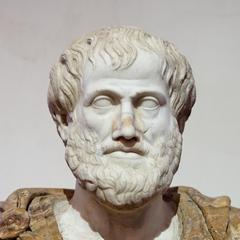
Aristotle
Aristotle

Aristotle, a renowned Greek philosopher, is one of the founders of Western philosophy. His thoughts covered a wide range of fields, including ethics, logic, politics, and had a profound impact on the world. more

You May Also Like

“Sections in the bookstore - Books You Haven't Read - Books You Needn't Read - Books Made for Purposes Other Than Reading - Books Read Even Before You Open Them Since They Belong to the Category of Books Read Before Being Written - Books That If You Had More Than One Life You Would Certainly Also Read But Unfortunately Your Days Are Numbered - Books You Mean to Read But There Are Others You Must Read First - Books Too Expensive Now and You'll Wait 'Til They're Remaindered - Books ditto When They Come Out in Paperback - Books You Can Borrow from Somebody - Books That Everybody's Read So It's As If You Had Read Them, Too - Books You've Been Planning to Read for Ages - Books You've Been Hunting for Years Without Success - Books Dealing with Something You're Working on at the Moment - Books You Want to Own So They'll Be Handy Just in Case - Books You Could Put Aside Maybe to Read This Summer - Books You Need to Go with Other Books on Your Shelves - Books That Fill You with Sudden, Inexplicable Curiosity, Not Easily Justified - Books Read Long Ago Which It's Now Time to Re-read - Books You've Always Pretended to Have Read and Now It's Time to Sit Down and Really Read Them”

“A few days ago I resumed that 'war-service' - or, more correctly, 'manoeuvre' life, which I discovered years ago to be the most suitable for myself at certain times. Sleeping in bed in the afternoon as long as possible, then walking about for two hours, then staying awake as long as possible. But in this 'long as possible' lies the hitch. 'It isn't possible for long', not in the afternoon, not at night, and yet I'm actually wilted when I get to the office in the morning. And the real prize lies hidden in the depths of the night, in the second, third, fourth hour; but nowadays if I don't go to bed at latest around midnight, night and day and I myself are lost.”

“Like most species, we have come to expect that we shall wake up more or less where we fell asleep. We associate the night with being static, becalmed. We might toss and turn a bit, and some may even sleepwalk. But as a rule it is the one period in each 24-hour shift when our frenzied movements hither and yon come to a halt. Hence there is something indefinably sneaky about popping up somewhere in the morning at a location that bears little relation to the one we were inhabiting the night before. It is perhaps the nearest most of us come to performing a magic trick.”