“The stories and pictures I make for the lives of the people closest to me are the forms of my empathy.”
Quote by Siri Hustvedt
Work
A Plea for Eros: Essays
This work presents a series of reflective essays that examine the nature of eros and its expression in human experience. The writing delves into questions of love, attraction, and the emotional bonds that connect people. Through literary analysis and personal reflection, the essays probe the complexities of desire and its role in art, relationships, and daily life. The collection offers readers an intellectual exploration of how eros shapes human perception and interaction with the world. more
Author
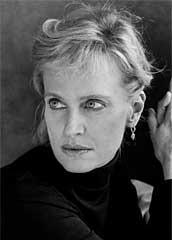
Siri Hustvedt
Siri Hustvedt is an American novelist born on February 19, 1955. Her works are known for their deep psychological insights and exploration of female experiences. Hustvedt's novels often blend philosophy, literature, and psychology, showcasing complex characters and inner worlds. more
You May Also Like
“When you show love and empathy to people, you draw them closer to your beliefs and traditions”
Source: Us vs Them: A Case for Social Empathy
Source: What Doctors Feel: How Emotions Affect the Practice of Medicine
Source: What Doctors Feel: How Emotions Affect the Practice of Medicine
Source: The Return of Sherlock Holmes
Source: Twisted Kingdom
Source: Hit Refresh: The Quest to Rediscover Microsoft's Soul and Imagine a Better Future for Everyone
Source: The Eden Fruitarian Guidebook
Source: What Doctors Feel: How Emotions Affect the Practice of Medicine