Quotessence
Home / Quotes / Quote by Wallace Stevens

Quote by Wallace Stevens

“The villages slept as the capable man went down, Time swished on the village clocks and dreams were alive, The enormous gongs gave edges to their sounds, As the rider, no chevalere and poorly dressed, Impatient of the bells and midnight forms, Rode over the picket docks, rode down the road, And, capable, created in his mind, Eventual victor, out of the martyr's bones, The ultimate elegance: the imagined land.”

Quote by Wallace Stevens

Work

The Collected Poems

This book encompasses a wide range of poetic works, showcasing the author's diverse styles and themes throughout their career. more

Author

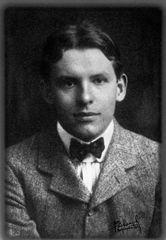
Wallace Stevens
Wallace Stevens

Wallace Stevens was an American poet known for his unique modernist style and philosophical reflections. His poetry often explores the connection between abstract concepts and everyday life, and is considered one of the most influential poets of the 20th century. more

You May Also Like

“Tolkien, lucky man, had protected a realm of his own invention to which he could flee. Robert Graves, embittered by battle, writes: The child alone a poet is: Spring and Fairyland are his… Wisdom made him old and wary banishing his Lords of Faery”

“Through the imagination and the human sense of creativity, the book will examine not only raw clinical data but philosophical perspectives as well. As within many moral fables, animals will be used, at times, to convey a a fundamental truth of human nature. More simply stated, animals that elicit human empathetic responses, will be examined in a religious context. So, starting with cats, dogs and ultimately other primates, as moral experiments of imagination, we can perhaps understand differing cognitive processes that could have shaped our religious purview. It might be even stated that they should shape our opinion, especially in a reevaluation of the spiritual present and coming future. When this happens, it will help humanity create a unique pristine outlook on its religious traditions.”