Quotessence
Home / Quotes / Quote by Pascal Bruckner

Quote by Pascal Bruckner

“Un cuplu care durează este, în mod paradoxal, un cuplu care acceptă că este muritor, și se trăiește pe sine ca fiind releul unei aventuri care-l depășește. Puterea cuplului amoros stă în aceea că este imperfect și maleabil, protejat chiar de ceea ce-l face vulnerabil. Fiind imperfect, el poate fi reformat la nesfârșit. El rămâne, în ceea ce are esențial, o promisiune aruncată peste abisul îndoielii, un pariu pe longevitate, un act de încredere în puterile fecunde ale timpului.”

Quote by Pascal Bruckner

Work

The Paradox of Love

Browse quotes and source details for this work. more

Author

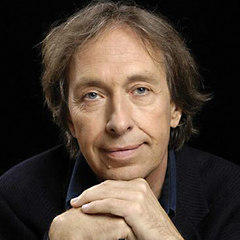
Pascal Bruckner
Pascal Bruckner

Pascal Bruckner is a French writer born on December 15, 1948. His works span various fields such as philosophy, politics, and literature, and he is known for his profound insights and unique style. more

You May Also Like

“Shakespeare will not allow Falstaff to die upon stage. We see and hear the deaths of Hamlet, Cleopatra, Antony, Othello, and Lear. Iago is led away to die silently under torture. Macbeth dies offstage but he goes down fighting. Falstaff dies singing the Twenty-third Psalm, smiling upon his fingertips, playing with flowers, and crying aloud to God three or four times. That sounds more like pain than prayer. We do not want Sir John Falstaff to die. And of course he does not. He is life itself.”

“If it were possible for a metaphysician to be a golfer, he might perhaps occasionally notice that his ball, instead of moving forward in a vertical plane (like the generality of projectiles, such as brickbats and cricket balls), skewed away gradually to the right. If he did notice it, his methods would naturally lead him to content himself with his caddies's remark-'ye heeled that yin,' or 'Ye jist sliced it.' ... But a scientific man is not to be put off with such flimsy verbiage as that. He must know more. What is 'Heeling', what is 'slicing', and why would either operation (if it could be thoroughly carried out) send a ball as if to cover point, thence to long slip, and finally behind back-stop? These, as Falstaff said, are 'questions to be asked.”