“There are gentle souls who would pronounce Lolita meaningless because it does not teach them anything. I am neither a reader nor a writer of didactic fiction, and, despite John Ray's assertion, Lolita has no moral in tow. For me a work of fiction exists only insofar as it affords me what I shall bluntly call aesthetic bliss, that is a sense of being somehow, somewhere, connected with other states of being where art (curiosity, tenderness, kindness, ecstasy) is the norm. There are not many such books. All the rest is either topical trash or what some call the Literature of Ideas, which very often is topical trash coming in huge blocks of plaster that are carefully transmitted from age to age until somebody comes along with a hammer and takes a good crack at Balzac, at Gorki, at Mann.”
Quote by Vladimir Nabokov
Book:Lolita
Work
Lolita
Written by Vladimir Nabokov, this novel is known for its complex narrative structure and controversial subject matter. It follows the protagonist's infatuation with a 12-year-old girl named Dolores Haze, known as Lolita. The novel delves into the psychological and moral complexities of the relationship, while also examining the nature of love, desire, and innocence. more
Author
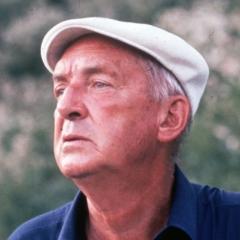
Vladimir Nabokov
Russian-born American novelist, best known for his novel 'Lolita'. Nabokov is renowned for his unique literary style and profound use of language and symbolism. more
You May Also Like
Source: Pavilion of Thoughts
“Pragmatism avails a savior far more than aestheticism.”
Source: Stories of Your Life and Others
“Don’t search for water in the Desert — or all you’ll ever find is Morgana.”
Source: Strange Tale of Panorama Island
Source: Stories of Your Life and Others
“You don't need a prophet to tell you to eat.”
Source: The Secret Chord