“More often than not the "successful entrepreneurs" of the time were officials of the Communist Party or members of the Young Communist League, and this seemed to confirm the popular suspicion that there was corruption and that the source of their wealth was not so much enterprise and initiative as power and access to resources. On top of that, for the seventy years of its existence the Soviet Union had been inculcating contempt for wheeler-dealers and anyone else in pursuit of private profit. Someone working in commerce in those times could live reasonably well, but it was more prestigious to be a cosmonaut, in the military, or a professor. Then, suddenly cosmonauts were nobodies, just ordinary mortals who got rewarded for their pains with a three-room apartment and a black Volga car, and professors could barely make ends meet. At the same time, some obscure cooperative owner, and just about anyone selling something in the market-was a lord of the universe and had more money than any Hero of Labor ever received. It turned out that being poor was much more bearable when everybody else was, but it was intolerable once you could see your neighbor was far richer. We often hear talk about the envy Russian or Soviet people felt toward the first entrepreneurs, and that is what made the late 1980s such a hateful time. I believe, however, it was all caused by the inequality of opportunities. If Gorbachev could have made it easy for everyone to become an entrepreneur, if millions of people had taken that up, rather than just tens of thousands of the smartest, or wiliest, or those who found themselves well positioned, then everything could have been different. Instead, the setting up of cooperatives, and later of the first businesses, was made monstrously complicated and was totally under the control of the Soviet bureaucracy. If you wanted to start a business, you had to pay bribes or have contacts, or at least have the kind of charisma that could bring walls tumbling down. For long years this established the image of businesspeople as shifty, devious individuals who had got in on the act by less than legal means. In the army, the police, and the KGB, resentment at this decline in the status of officers was particularly acute. Something was going to have to change.”
Quote by Alexei Navalny
Book:Patriot: A Memoir
Work
Patriot: A Memoir
Browse quotes and source details for this work. more
Author
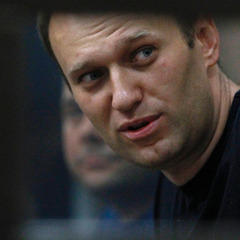
Alexei Navalny
Alexei Navalny is a Russian lawyer and political activist recognized for his anti-corruption efforts and criticism of the Russian government. Born on June 4, 1976, he has gained international acclaim for his work in exposing corruption within the Russian political establishment. more
You May Also Like
Source: Patriot: A Memoir
“The financial elite already have the politicians in their pockets, as a result of their lobbying.”
Source: Terror on Wall Street, a Financial Metafiction Novel
“And I said, 'Do I have leprosy?' And they said, 'You are a dangerous element.”
Source: Le Mage du Kremlin
Source: Le Mage du Kremlin
“We elected a new government. You can express your condolences.”
Source: Yet Another New Land
“The money you make is a symbol of the value you create.”
Source: Wealth for All: Living a Life of Success at the Edge of Your Ability
Source: What is Wrong with Society Today