“But knowing that the one part consisted of Sadducees, and the other of Pharisees, Paul cried out in the sanhedrin, Men, brothers, I am a Pharisee, a son of Pharisees; I am being judged concerning hope and resurrection of the dead!”
Quote by Paul the Apostle
Author
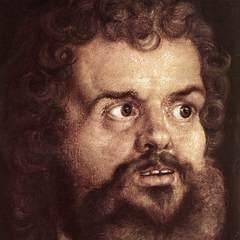
Paul the Apostle
Paul the Apostle is a significant figure in the New Testament of the Christian Bible, considered one of the founding figures of Christianity. He is believed to have been a follower of Jesus Christ and a key figure in spreading the Christian faith. Paul's life was marked by his transformation from a Pharisee who actively persecuted Christians to a devoted follower of Jesus. He dedicated himself to spreading Christianity throughout the Greek and Roman worlds, and his writings, including numerous letters in the New Testament, have had a profound impact on the development of Christian doctrine. more
You May Also Like
Source: Romans: Bible #45, ESV
Source: Saint Paul: The Foundation of Universalism
Source: Saint Paul: The Foundation of Universalism
Source: Saint Paul: The Foundation of Universalism
Source: Holy Bible: New International Version
Source: Main Currents Of Marxism: The Founders, The Golden Age, The Breakdown
Source: Neurons, Oxygen & Nanak
“You were created to know abundance ... even spiritual and sexual abundance.”
Source: Sex, God, and the Conservative Church