Quotessence
Home / Quotes / Quote by Stewart O'Nan

Quote by Stewart O'Nan

Work

A Prayer for the Dying

Browse quotes and source details for this work. more

Author
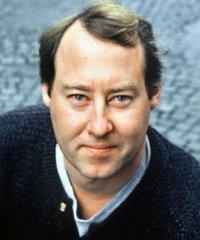
Stewart O'Nan
Stewart O'Nan

Stewart O'Nan is an American novelist known for his unique narrative style and profound insights into everyday life. His works often focus on the daily lives of ordinary people, depicting the complexity of human nature and the diversity of life through delicate pen strokes. more

You May Also Like

“How is logic like a machine? Here is how one logician explained it around the turn of the twentieth century: "As a material machine is an instrument for economising the exertion of force, so a symbolic calculus is an instrument for economising the exertion of intelligence." Logic, just like a machine, was a tool for democratizing force: built with enough precision and skill, it could multiply the power of the gifted and the average alike.”

“It takes both emotion and logic to reach your maximum potential, to really give everything you have, to go beyond your limits. Because emotion and logic will both reach their limitations. And when one fails, you need to rely on the other. When it doesn’t make any logical sense to go on, that’s when you use your emotion, your anger, your frustration, your fear, to push further, to push you to say one thing: I don’t stop. When your feelings are screaming that you’ve had enough, when you think you are going to break emotionally, override that emotion with concrete logic and willpower that says one thing: I don’t stop. Fight weak emotions with the power of logic; fight the weakness of logic with the power of emotion. And in the balance of those two you will find the strength and the tenacity and the guts to say to yourself: I don’t stop.”

“It’s the first time a boy has been in my room, but Eliot probably doesn’t qualify as a boy in the boy sense. I shove aside dirty clothes on my bed to make space. I’ve taken care of enough injured teammates to know what to do. “How’s your head?” “More functional than most.” “Are you dizzy?” “What about you? Are you all right?” “Answer, don’t ask.” “Typical ISFJ, playing doctor.” “Oh, Jesus. Tell me what just happened. Do you remember?” “You were there.” “Eliot.” “I may not have thought it through. But that’s a rarity, I promise.” “That is so obviously a true thing you just said.” I shine my phone flashlight in Eliot’s face. He squints. Regular dilation. “I don’t think you have a concussion. Does anything feel broken?” “Just my dignity.” “It’ll recover.” I dip a clean sock in the glass of water on my bedside table and wipe blood off his jaw. “Thank you,” he says quietly.”

“როცა სხვა კვდება, [...] თამამად გამომაქვს დასკვნა და დარწმუნებით ვამბობ: "მოკვდა". მაგრამ მე თვითონ რომ მოვკვდები, როგორ უნდა მივხვდე, რომ მოვკვდი? და თუ ვერ მივხვდები, ხომ არ არის ეს იმის მანიშნებელი, რომ "სხვა" მოკვდავია, "მე" უკვდავი, ხოლო ინდუქცია - სისულელე?”