“White ain't nothing.' Mama's grip did not lessen. 'It is something, Cassie. White is something just like black is something. Everybody born on this Earth is something, and nobody, no matter what color is better than anybody else.' 'Then how come Mr. Simms don't know that.' 'Because he's one of those people who has to believe that white people are better than black people to make himself feel big.' I stared questionably at Mama, not really understanding. Mama squeezed my hadn't and explained further, 'You see, Cassie, many years ago, when our people were fist brought from Africa in chains to work as slaves in this country--' 'Like Big Ma's Papa and Mama?' Mama nodded. "Yes, baby. Like Papa Luke and Mama Rachel. Except they were born right here is Mississippi, but their grandparents were born in Africa. And when they came, there was some white people who thought that is was wrong for any people to be slaves. So the people who needed slaves to work in their fields and the people who were making money bringing slaves from Africa preached that black people weren't really people like white people were, so slavery was all right. They also said that slavery was good for us because it thought us to be good Christians, like the white people.' She sighed deeply, her voice fading into a distant whisper, 'But they didn't teach us Christianity to save our souls, but to teach us obedience. They were afraid of slave revolts and they wanted us to learn the Bible's teachings about slaves being loyal to their masters. But even teaching Christianity didn't make us stop wanting to be free, and many slaves ran away.” ... She was silent for a moment, then went on. 'Well, after a while, slavery became so profitable to people who had slaves and even to those who didn't that most people started to believe that black people weren't really people like everybody else. And when the Civil War was fought, and Mama Rachel and Papa Luke and all the other slaves were freed, people continued to think that way. Even the Northeners who fought the war didn't really see us equal to white people. 'So, now, even though seventy years have passed since slavery, most white people still think of us as they did then, that we're not as good as they are. And people like Mr. Simms hold onto that belief harder than some other folks because they have little else to hold onto. For him to believe that he is better than we are makes him think that he's important, simply because he's white.”
Quote by Mildred D. Taylor
Work
Set in the 1930s, this novel follows the lives of a young African American family living in the rural South during the Great Depression. The story is narrated by Cassie Logan, a young girl who grows up witnessing the racial injustices and the resilience of her family and community. more
Author
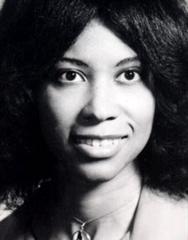
Mildred D. Taylor is an American writer known for her profound insights into American black history. Her works primarily focus on the period of the American Civil War and Reconstruction, depicting the lives and struggles of African Americans during this time. Born on September 13, 1943, Taylor's works, including 'Let the Circle Be Unbroken,' have been praised for their authenticity and emotional depth. more
You May Also Like
“our society is unequal, and bodily difference is used to justify that inequality.”