Quotessence
Home / Quotes / Quote by Hilton Als

Quote by Hilton Als

“Part of our shared tragedy - we recognized it at once - was that we never separated from our mothers, which meant we liked girls more than the world like them, which is to say more than they liked each other, let alone themselves.”

Quote by Hilton Als

Work

White Girls

In this thought-provoking work, the author delves into the lives of a diverse group of women, examining their experiences and struggles in a society that is often indifferent to their needs. The narrative is a rich tapestry of personal stories that intertwine to create a powerful commentary on the complexities of race and gender in contemporary America. more
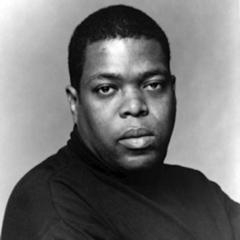
Author

Hilton Als
Hilton Als

Hilton Als is an American writer known for his distinctive literary style and profound insights into social issues. His work spans across drama, prose, and criticism, often delving into themes of race, gender, and identity. more

You May Also Like

“The poor girl liked to be thought clever, but she hated to be thought bookish; she used to read in secret and, though her memory was excellent, to abstain from showy reference. She had a great desire for knowledge, but she really preferred almost any source of information to printed page; she had an immense curiosity about life and was constantly staring and wondering. She carried herself with a great fund of life, and her deepest enjoyment was to feel the continuity between the movements of her own soul and agitations of the world.”

“Women facing sexual violence rarely speak up or call the police because they know what awaits them. Even good men hate it when women express their feelings, often responding with mockery, insults or threats. There’s a box in the minds of American men, a box labeled 'Girl Problems,' into which men can stuff any complaint made by women they wish to ignore.”

“All of this is typical girl-fear. Once you realize that The Exorcist is, essentially, the story of a 12-year-old who starts cussing, masturbating, and disobeying her mother—in other words, going through puberty—it becomes apparent to the feminist-minded viewer why two adult men are called in to slap her around for much of the third act. People are convinced that something spooky is going on with girls; that, once they reach a certain age, they lose their adorable innocence and start tapping into something powerful and forbidden. Little girls are sugar and spice, but women are just plain scary. And the moment a girl becomes a woman is the moment you fear her most. Which explains why the culture keeps telling this story.”