Quotessence
Home / Quotes / Quote by Vladimir Nabokov

Quote by Vladimir Nabokov

Work

Lolita

Written by Vladimir Nabokov, this novel is known for its complex narrative structure and controversial subject matter. It follows the protagonist's infatuation with a 12-year-old girl named Dolores Haze, known as Lolita. The novel delves into the psychological and moral complexities of the relationship, while also examining the nature of love, desire, and innocence. more
Author

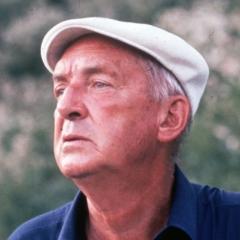
Vladimir Nabokov
Vladimir Nabokov

Russian-born American novelist, best known for his novel 'Lolita'. Nabokov is renowned for his unique literary style and profound use of language and symbolism. more

You May Also Like

“Cellular biologist Glen Rein, Ph.D., conceived of a series of experiments to test healers’ ability to affect biological systems. [...] In Dr. Rein’s experiment, he first studied a group of ten individuals who were well practiced in using techniques that Heart-Math teaches to build heart-focused coherence. They applied the techniques to produce strong, elevated feelings such as love and appreciation, then for two minutes, they held vials containing DNA samples suspended in deionized water. When those samples were analyzed, no statistically significant changes had occurred. A second group of trained participants did the same thing, but instead of just creating positive emotions (a feeling) of love and appreciation, they simultaneously held an intention (a thought) to either wind or unwind the strands of DNA. This group produced statistically significant changes in the conformation (shape) of the DNA samples. In some cases the DNA was wound or unwound as much as 25 percent! A third group of trained subjects held a clear intent to change the DNA, but they were instructed not to enter into a positive emotional state. In other words, they were only using thought (intention) to affect matter. The result? No changes to the DNA samples. [...] Only when subjects held both heightened emotions and clear objectives in alignment were they able to produce the intended effect. An intentional thought needs an energizer, a catalyst—and that energy is an elevated emotion.”