“Also, asceticism is all right when it is the proper means of attaining some special end. It is when it produces eructations of spiritual pride, and satisfied vanity, that it is poisonous. The Greek word means an athlete; and the training of an athlete is not mortification of the body. Nor is there any rule which covers all circumstances. When men go "stale" a few days before the race, they are "taken off training," and fed with champagne. But that is part of the training. Observe, too, that all men go "stale" sooner or later; training is abnormal, and must be stopped as soon as its object is attained. Even so, it too often strains vital organs, especially the heart and lungs, so that few rowing "Blues" live to be 50. But worst of all is the effect on the temper! When it is permanent, and mistaken for a "Virtue," it poisons the very soil of the soul. The vilest weeds spring up; cruelty, narrowmindedness, arrogance—everything mean and horrible flowers in those who "Mortify the flesh." Incidentally, such ideas spawn the "Black Brother." The complete lack of humour, the egomaniac conceit, self-satisfaction, absence of all sympathy for others, the craving to pass their miseries on to more sensible people by persecuting them: these traits are symptomatic.”
Quote by Aleister Crowley
Book:Magick Without Tears
Work
Magick Without Tears
Browse quotes and source details for this work. more
Author
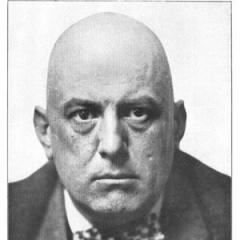
Aleister Crowley
Aleister Crowley, a British poet, mystic, and writer, was born on October 12, 1875, and died on December 1, 1947. He is known for his poetic works and mystical practices, and is considered one of the most controversial figures of the 20th century. more
You May Also Like
Source: Johann Arndt: True Christianity
Source: Mary Bennet
Source: Del inconveniente de haber nacido
Source: The Anthropocene Reviewed: Essays on a Human-Centered Planet
Source: Love and Other Foreign Words
Source: Dead Toad Scrolls
“I knelt with my head bowed, feeling the greatest humiliation I had ever experienced.”
Source: The Call of the North – 42 Weeks and One Day