Quotessence
Home / Quotes / Quote by Anna Seghers

Quote by Anna Seghers

“Un po' di felicità quotidiana, subito, invece di quella terribile, spietata lotta per la felicità assoluta di chissà quale umanità della quale lui forse non avrebbe nemmeno fatto parte.”

Quote by Anna Seghers

Work

Das siebte Kreuz

Browse quotes and source details for this work. more
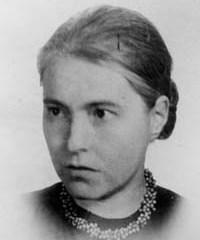
Author

Anna Seghers
Anna Seghers

Anna Seghers was a German writer born on November 19, 1900, and died on June 1, 1983. Her works primarily reflected the historical changes in German society in the 20th century, focusing on the fate of the working class and Jews. more

You May Also Like

“If we had flown Victoria to New Zealand, she would have been at a funeral home, with private viewings in an atmosphere of stilted, muffled unquiet. I would have had little opportunity to sit with the body and pour out my lament. The Singaporeans would not have been there with their reassuring ease in the ritual of mourning. My family might have come bristling with disrespect, and rent the air with accusations and blame. Some mourners would have been embarrassed by my tears. They and others would have wanted the whole thing done and dusted quickly. The funeral director or an assistant might well have been the ones dressing the body. I would have not realised the normality of death so quickly, and more importantly at this point, the absolute necessity to go briefly mad with grief, to cover yourself— metaphorically—in the dowdy burlap of mourning.”

“They don't want to see me lose my home. They want me to come to my senses before it's too late. I need a better way to cope with my feelings of loss and guilt. I need bereavement therapy. Here are some names. I should think about medication. Here's what worked for them. There are books. There are websites. There are support groups. Healing won't come from withdrawing into a fantasy world, isolating myself, spending all my time with a dog. There is such a thing as pathological grief. There is the magical thinking of pathological grief, which is a kind of dementia. Which in their collective opinion is what I have.”

“I didn't know that would be the last time I'd see him, his neck scar lit blue by the diner's neon marquee. To see that little comma again, to put my mouth there, let my shadow widen the scar until, at last, there was no scar to be seen at all, just a vast and equal dark sealed by my lips. A comma superimposed by a period the mouth so naturally makes. Isn't that the saddest thing in the world, Ma? A comma forced to be a period?”

“Mourning with no end, and a sense that I had lost everything - my child, my mother's love and protection, my father's love and protection, the life I had once imagined for myself - hollowed me out. I floated every day alone and disconnected, and could not find comfort or release. I understood clearly that my history had harmed me, had cut me off from the normal connections between people. Every day for five years I had been afraid of this disconnection, feeling the possibility of perfect detachment within my reach, like a river running alongside, inviting me to step into its current.”