Quotessence
Home / Quotes / Quote by Charles Dickens

Quote by Charles Dickens

“It was pleasant to observe that Mrs. Wemmick no longer unwound Wemmick’s arm when it adapted itself to her figure, but sat in a high-backed chair against the wall, like a violoncello in its case, and submitted to be embraced as that melodious instrument might have done.”

Quote by Charles Dickens

Work

Great Expectations

This novel follows the journey of Pip, a young boy who is raised by his sister and her husband, Joe Gargery, a blacksmith. After receiving a mysterious gift that leads him to believe he has been chosen for a better life, Pip embarks on a quest to fulfill his 'great expectations.' The story delves into Pip's interactions with various characters, including the wealthy Miss Havisham and her adopted daughter Estella, and the convict Magwitch, who ultimately reveals a profound connection to Pip's past. more

Author

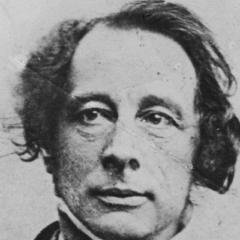
Charles Dickens
Charles Dickens

Charles Dickens, a British writer born on February 7, 1812, and died on June 9, 1870, is one of the greatest novelists of the 19th century. Known for his profound social criticism and vivid narrative style, Dickens' works extensively cover social reality, revealing various issues in the British society of the time. more

You May Also Like

“In a way it is necessary to marry. If marriage is bad, the alternative is worse. For a moment he wished that he were married; he pined for the difficulty of it, the reality, the pain. And marriage must be indissoluble, for better for worse, for richer, for poorer, till death do you part. The old christian ideal, marriage tempered by adultery. Commit adultery if you must, but have the decency to call it adultery. None of that amercian soulmate slop. Have your fun and then sneak home, juice of the forbidden fruit dripping from your whiskers, and take the consequences. Better that, perhaps, than horrible freedom? You'd know, at least, that it was real life that you were living.”

“In a way it is necessary to marry. If marriage is bad, the alternative is worse. For a moment he wished that he were married; he pined for the difficulty of it, the reality, the pain. And marriage must be indissoluble, for better for worse, for richer, for poorer, till death do you part. The old christian ideal, marriage tempered by adultery. Commit adultery if you must, but have the decency to call it adultery. None of that amercian soulmate slop. Have your fun and then sneak home, juice of the forbidden fruit dripping from your whiskers, and take the consequences. Better that, perhaps, than horrible freedom? You'd know, at least, that it was real life that you were living. The devil of it is, outside marriage, no decent relationship with a woman is possible.”