Quotessence
Home / Quotes / Quote by Jean Klein

Quote by Jean Klein

“You want me to talk about love, to give you a hold, something to feel, to admire or obtain. I will not give you a straw to grasp, and in this emptiness you will be taken by yourself. You are love so don’t try to be a lover.”

Quote by Jean Klein

Work

Who Am I?: The Sacred Quest

This book delves into the profound questions of human existence, examining the nature of self and the quest for spiritual understanding. more

Author
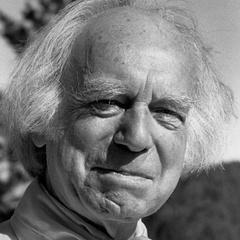
Jean Klein
Jean Klein

Jean Klein was a renowned spiritual teacher, born in October 1912 and passed away on February 22, 1998. His teachings, known for their profound insights and concise expression, have influenced countless individuals seeking spiritual growth. more

You May Also Like

“বৃষ্টির আগে ঝড়, বৃষ্টির পরে বন্যা । বর্ষাকালে, অনেক দেশে যখন অজস্র জলে ঘরবাড়ি ভাঙবে, ভাসবে মূক পশু ও মুখর মানুষ, শহরের রাস্তায় যখন সদলবলে গাইবে দুর্ভিক্ষের স্বেচ্ছাসেবক, তোমার মনে তখন মিলনের বিলাস, ফিরে যাবে তুমি বিবাহিত প্রেমিকের কাছে | হে ম্লান মেয়ে, প্রেমে কী আনন্দ পাও, কী আনন্দ পাও সন্তানধারণে ? :মেঘদূত আর মাঝে মাঝে আকাশে হলুদ রঙের অদ্ভূত চাঁদ ওঠে, চঞ্চল বসন্ত কাঁপে গাছের পাতায়, আর অন্ধকারে লাল কাঁকরের পথ পড়ে থাকে অলস স্বপ্ন মতো। সমস্ত দিন, আর সমস্ত রাত্রি ভরে তোমাকে পাবার বাসনা বিষাক্ত সাপের মতো। :প্রেম”

“The Wilcoxes were not lacking in affection; they had it royally, but they did not know how to use it. It was the talent in the napkin, and, for a warm-hearted man, Charles had conveyed very little joy. As he watched his father shuffling up the road, he had a vague regret—a wish that something had been different somewhere—a wish (though he did not express it thus) that he had been taught to say 'I' in his youth.”

“I don’t hesitate to say that damage or destruction of the land-community is morally wrong, just as Leopold did not hesitate to say so when he was composing his essay, “The Land Ethic,” in 1947. But I do not believe, as I think Leopold did not, that morality, even religious morality, is an adequate motive for good care of the land-community. The primary motive for good care and good use is always going to be affection, because affection involves us entirely. And here Leopold himself set the example. In 1935 he bought an exhausted Wisconsin farm and, with his family, began its restoration. To do this was morally right, of course, but the motive was affection. Leopold was an ecologist. He felt, we may be sure, an informed sorrow for the place in its ruin. He imagined it as it had been, as it was, and as it might be. And a profound, delighted affection radiates from every sentence he wrote about it.”

“Theme It's a sunny weekday in early May and after a ham sandwich and a cold bottle of beer on the brick terrace, I am consumed by the wish to add something to one of the ancient themes– youth dancing with his eyes closed, for example, in the shadows of corruption and death, or the rise and fall of illustrious men strapped to the turning wheel of mischance and disaster. There is a slight breeze, just enough to bend the yellow tulips on their stems, but that hardly helps me echo the longing for immortality despite the roaring juggernaut of time, or the painful motif of Nature's cyclial return versus man's blind rush to the grave. I could loosen my shirt and lie down in the soft grass, sweet now after its first cutting, but that would not produce a record of the pursuit of the moth of eternal beauty or the despondency that attends the eventual dribble of the once gurgling fountain of creativity. So, as far as great topics go, that seems to leave only the fall from exuberant maturity into sudden, headlong decline– a subject that fills me with silence and leaves me with no choice but to spend the rest of the day sniffing the jasmine vine and surrendering to the ivory goverance of the piano by picking out with my index finger the melody notes of "Easy to Love," a song in which Cole Porter expresses, with put-on nonchalance, the hopelessness of a love brimming with desire and a hunger for affection, but met only and always with frosty disregard.”