Quotessence
Home / Quotes / Quote by Octavio Paz

Quote by Octavio Paz

“la admiración por el Padre, símbolo de lo cerrado y agresivo, capaz de chingar y abrir, se transparenta en una expresión que empleamos cuando queremos imponer a otro nuestra superioridad: "Yo soy tu padre" […] No es el fundador de un pueblo; no es el patriarca que ejerce la patria protestad; no es rey, juez, jefe de clan. Es el poder, aislado en su misma potencia, sin relación ni compromiso con el mundo exterior. Es la incomunicación pura, la soledad que se devora a sí misma y devora lo que toca. No pertenece a nuestro mundo; no es de nuestra ciudad; no vive en nuestro barrio. Viene de lejos, está lejos siempre. Es el extraño. Es imposible no advertir la semejanza que guarda la figura del "macho" con la del conquistador español. Ése es el modelo –más mítico que real– que rige las representaciones que el pueblo mexicano se ha hecho de los poderosos: caciques, señores feudales, hacendados, políticos, generales, capitanes de industria. Todos ellos son "machos, "chingones".”

Quote by Octavio Paz

Work

The Labyrinth of Solitude and Other Writings

Browse quotes and source details for this work. more

Author
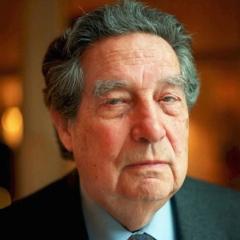
Octavio Paz
Octavio Paz

Octavio Paz (March 31, 1914 - April 19, 1998) was a renowned Mexican poet, essayist, and diplomat. He is considered one of the greatest Spanish-language poets of the 20th century, known for his unique poetic style and profound intellectual depth. more

You May Also Like

“Murphy alichanganyikiwa. Hakujua nini kilitokea na kwa nini. Ila, ghafla, alipotupa macho kushoto aliona kitu. Joka kubwa lilitambaa, ingawa kwa shida, kwa sababu ya sakafu, na kumfuata kummaliza. Murphy alijua joka hata angefanya vipi, hakuwa na uwezo wa kujikinga. Alipotaka kupiga kelele ili walinzi wa nje waje, Murphy alishindwa. Nyuma ya joka – katika mkia – kuna kitu kiling’aa, kikamshangaza! Muujiza ulimtokea Murphy lakini kitu kikamwambia aite walinzi wa nje ili waje wamuue yule nyoka. Lakini kabla hajapiga kelele, alisikia sauti; si ya mwanamume. Ya mwanamke!”

“Men were so violent, she complained. Why were men so violent? You had to be careful as a woman. You could get somebody's nose broken if you griped that they had pinched you or even looked at you funny. And of course that wasn't what you wanted; you just wanted to be left alone. Also, you knew that the mean son of a bitch that broke the poor jerk's nose was just getting his rocks off--didn't care about you personally.”

“It seemed funny that one day I would go to bed in her arms and the next not feel anything, like a switch had gone off. But no, that wasn’t honest either. This had been building for a long time. Our silences were getting longer. Our arguments more frequent. How do you stay with someone when there are no dreams to build? No purpose to accomplish? No meaning? No meaning —that was the monster that drove us away from one another in the end. Always.”

“How does that put me in danger?” Nick asks. It’s the first question he’s asked the entire time. Devyn, however, has been Mr. Nonstop Wondering Question Guy. “Because . . .” I don’t know how to say it, struggle for the words. “Because you and I are a thing and you’re a threat.” “You better believe I’m a threat,” Nick growls. The entire car seems to shake with his energy. Little hairs on my arm lift and vibrate. “He’s going macho again,” Dev says, totally nonchalantly, while he unlocks the door. “He’s always going macho,” Is adds. “It must be the wolf thing.” “I am not going macho. I am always macho,” Nick says, and for a moment the tension ratchets down, but then his face muscles become rigid again.”