“I am not posing these questions only to the world at large. I query us who own Christ as our life. Can God be pleased by the vast and increasing inequities among us? Is he not grieved by our arrogant accumulation, while Christian brothers and sisters elsewhere languish and die? Is it not obligatory upon us to see beyond the nose of our own national interest, so that justice may roll down like waters and righteousness like an ever flowing stream? Is there not an obligation upon us to do justice, and to love mercy, and to walk humbly with God is we want to live in his wonderful peace?”
Quote by Richard J. Foster
Work
Freedom of Simplicity: Finding Harmony in a Complex World
Browse quotes and source details for this work. more
Author
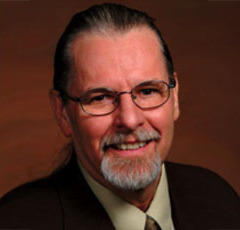
Richard J. Foster
Richard J. Foster, born on May 3, 1942, is a renowned author. His works cover a range of topics including Christian spirituality, personal growth, and leadership, and have been well-received by readers worldwide. more
You May Also Like
“You can only access the beautiful world through faith by truthfully embracing beauty and caring.”
Source: Simple Reminders: Inspiration for Living Your Best Life
Source: Dreaming is for lovers
“Let's still be friends" (things that are never true in a break up, but you have to say).”
“Dr. Cox: Ladies and gentlemen, allow me to present, Man Not Caring. [points to self]”
Source: The Great Hand Book of Quotes
Source: The People Look Like Flowers at Last
Source: Out of Solitude: Three Meditations on the Christian Life
Source: Horde
Source: Out of Solitude: Three Meditations on the Christian Life