Quotessence
Home / Quotes / Quote by Bryan Sykes

Quote by Bryan Sykes

Work

Saxons, Vikings, and Celts: The Genetic Roots of Britain and Ireland

Saxons, Vikings, and Celts: The Genetic Roots of Britain and Ireland delves into the historical and genetic influences that have shaped the populations of Britain and Ireland. The book examines the genetic legacies of the Saxons, Vikings, and Celts, providing insights into the complex intermingling of these ancient cultures. It offers a comprehensive look at the genetic data and research that reveal the contributions of these groups to the genetic diversity of the British Isles. more

Author
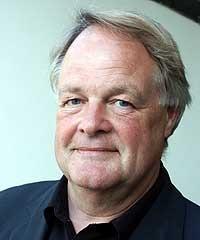
Bryan Sykes
Bryan Sykes

Bryan Sykes is a renowned geneticist and college professor. Born on September 9, 1947, he is known for his research in the field of human genetics. Sykes' work involves human origins, ethnic relationships, and genetic diseases, contributing significantly to our understanding of human history and diversity. more

You May Also Like

“from "Semele Recycled" But then your great voice rang out under the skies my name!-- and all those private names for the parts and places that had loved you best. And they stirred in their nest of hay and dung. The distraught old ladies chasing their lost altar, and the seers pursuing my skull, their lost employment, and the tumbling boys, who wanted the magic marbles, and the runaway groom, and the fisherman's thirteen children, set up such a clamor, with their cries of "Miracle!" that our two bodies met like a thunderclap in midday-- right at the corner of that wretched field with its broken fenceposts and startled, skinny cattle. We fell in a heap on the compost heap and all our loving parts made love at once, while the bystanders cheered and prayed and hid their eyes and then went decently about their business. And here is is, moonlight again; we've bathed in the river and are sweet and wholesome once more. We kneel side by side in the sand; we worship each other in whispers. But the inner parts remember fermenting hay, the comfortable odor of dung, the animal incense, and passion, its bloody labor, its birth and rebirth and decay.”

“They yoked themselves to a car and drew her all the long way through dust and heat. Everyone admired their filial piety when they arrived and the proud and happy mother standing before the statue prayed that Hera would reward them by giving them the best gift in her power. As she finished her prayer the two lads sank to the ground. They were smiling and they looked as if they were peacefully asleep but they were dead. (Biton and Cleobis)”

“Persephone is just a name for a spirit of beauty at a certain time in history. I'm sure we could argue a biblical place for her if it matters. Your wife has the name of that pagan goddess, but the fact remains that she's your mortal bride in the Year of Our Lord 1888- and she's Catholic, so pray for her, damn it, I don't care how confusing it is. And pray for us, to anyone. If the dead are about to flood Athens, divine goodwill couldn't hurt. Your prayers can be in Hindu, if you like. Now go home.”

“The myths of Hylas, Adonis, Lityerses, and Linus describes the annual mourning for the sacred king of his boy-surrogate, sacrificed to placate the goddess of vegetation. The same surrogate appears in the legend of Triptolemus, who rode in a serpent-drawn chariot and carried sacks of corn to symbolize that his death brought wealth. Plutus (‘wealthy’), begotten in the ploughed field from whom Hades euphemistic title ‘Pluto’ is borrowed.”