“The Renaissance was the culture of a wealthy and powerful upper class, on the crest of the wave which was whipped up by the storm of new economic forces. The masses who did not share the wealth and power of the ruling group had lost the security of their former status and had become a shapeless mass, to be flattered or to be threatened—but always to be manipulated and exploited by those in power. A new despotism arose side by side with the new individualism. Freedom and tyranny, individually and disorder, were inextricably interwoven. The Renaissance was not a culture of small shopkeepers and petty bourgeois but of wealthy nobles and burghers. Their economic activity and their wealth gave them a feeling of freedom and a sense of individually. But at the same time, these same people had lost something: the security and feeling of belonging which the medieval social structure had offered. They were more free, but they were also more alone. They used their power and wealth to squeeze the last ounce of pleasure out of life; but in doing so, they had to use ruthlessly every means, from physical torture to psychological manipulation, to rule over the masses and to check their competitors within their own class. All human relationships were poisoned by this fierce life-and-death struggle for the maintenance of power and wealth. Solidarity with one's fellow man—or at least with the members of one's own class—was replaced by a cynical detached attitude; other individuals were looked upon as "objects" to be used and manipulated, or they were ruthlessly destroyed if it suited one's own ends. The individual was absorbed by a passionate egocentricity, an insatiable greed for power and wealth. As a result of all this, the successful individual's relation to his own self, his sense of security and confidence were poisoned too. His own self became as much an object of manipulation to him as other persons had become. We have reasons to doubt whether the powerful masters of Renaissance capitalism were as happy and as secure as they are often portrayed. It seems that the new freedom brought two things to them: an increased feeling of strength and at the same time an increased isolation, doubt, scepticism, and—resulting from all these—anxiety. It is the same contradiction that we find in the philosophical writings of the humanists. Side by side with their emphasis on human dignity, individuality, and strength, they exhibited insecurity and despair in their philosophy.”
Quote by Erich Fromm
Book:Escape from Freedom
Work
Escape from Freedom
This book explores the complexities of human psychology, delving into the nature of freedom and its impact on individuals. It examines the various aspects of human behavior and the quest for autonomy, offering insights into the human experience. more
Author
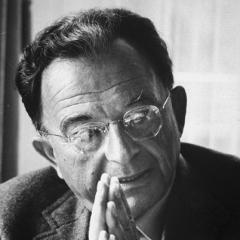
Erich Fromm
Erich Fromm, born on March 23, 1900 in Germany and died on March 18, 1980, was a renowned psychologist. His research covered a wide range of fields including anthropology, philosophy, and religion, particularly known for his studies on human psychology and interpersonal relationships. more
You May Also Like
Source: A Man Without a Country
Source: Love's Executioner and Other Tales of Psychotherapy
Source: Rise Up and Salute the Sun: The Writings of Suzy Kassem
“The triumph of humanism is the defeat of humanity.”
Source: The Divine Within: Selected Writings on Enlightenment
Source: Morality Absolute
Source: A Push in Perception
Source: A Push in Perception
Source: Rise Up and Salute the Sun: The Writings of Suzy Kassem