“There was the dreary Sunday of his childhood, when he sat with his hands before him, scared out of his senses by a horrible tract which commenced business with the poor child by asking him in its title, why he was going to Perdition?—a piece of curiosity that he really, in a frock and drawers, was not in a condition to satisfy—and which, for the further attraction of his infant mind, had a parenthesis in every other line with some such hiccupping reference as 2 Ep. Thess. c. iii, v. 6 & 7. There was the sleepy Sunday of his boyhood, when, like a military deserter, he was marched to chapel by a picquet of teachers three times a day, morally handcuffed to another boy; and when he would willingly have bartered two meals of indigestible sermon for another ounce or two of inferior mutton at his scanty dinner in the flesh. There was the interminable Sunday of his nonage; when his mother, stern of face and unrelenting of heart, would sit all day behind a Bible—bound, like her own construction of it, in the hardest, barest, and straitest boards, with one dinted ornament on the cover like the drag of a chain, and a wrathful sprinkling of red upon the edges of the leaves—as if it, of all books! were a fortification against sweetness of temper, natural affection, and gentle intercourse. There was the resentful Sunday of a little later, when he sat down glowering and glooming through the tardy length of the day, with a sullen sense of injury in his heart, and no more real knowledge of the beneficent history of the New Testament than if he had been bred among idolaters. There was a legion of Sundays, all days of unserviceable bitterness and mortification, slowly passing before him.”
Quote by Charles Dickens
Work
Charles Dickens' 'Little Dorrit' is a complex narrative that explores themes of social class, family loyalty, and the human spirit. The story follows Amy Dorrit, a young woman who spends her formative years in the Marshalsea prison with her family, who are there due to financial debts. The novel delves into the lives of various characters, including Amy's brother Arthur, who is mistakenly believed to be a criminal, and her friend, the artist Merdle. Through these characters, Dickens critiques the British legal system and societal norms of his time. more
Author
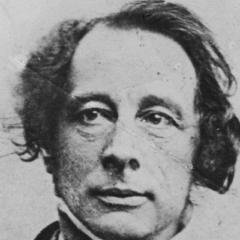
Charles Dickens, a British writer born on February 7, 1812, and died on June 9, 1870, is one of the greatest novelists of the 19th century. Known for his profound social criticism and vivid narrative style, Dickens' works extensively cover social reality, revealing various issues in the British society of the time. more
You May Also Like
“I am who I am because the tears of my past have watered the magnificence of my present.”
“बचपन की जिज्ञासाओं पर भविष्य की ईमारत बनती है ।”