Quotessence
Home / Quotes / Quote by Marcus Aurelius

Quote by Marcus Aurelius

“смерть і життя, слава й неслава, страждання й насолода, багатство й убогість - все це порівну випадає і добрим, і злим, і не є воно ані гарне, ані огидне; тож ані добром, ані злом бути не може.”

Quote by Marcus Aurelius

Work

Meditations

Meditations is a series of personal writings by Marcus Aurelius, Roman Emperor and Stoic philosopher, detailing his thoughts on Stoic practice, self-improvement, and the nature of the universe. more
Author

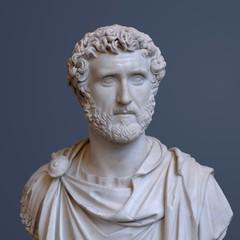
Marcus Aurelius
Marcus Aurelius

Marcus Aurelius, born in 121 AD and died in 180 AD, was an emperor of the Roman Empire. He is one of the Five Good Emperors and is known for his philosophical thoughts and the stability of his reign. He was not only an outstanding politician but also a famous Stoic philosopher, whose work 'Meditations' has had a profound impact on later generations. more

You May Also Like

“I barely escaped Sarajevo in one piece Chetniks looked directly at my mother They were eager to kill us like mice She saw their evil eyes, as cold as ice They wanted to ensure our extinction They wanted to plan our demise But despite their ammunition We were strategic, clever, and wise Imagine being in a situation like that What would you do? What would you think? How would you deal with the intensity Of being afraid to even blink? Think about people that matter to you most What if they became like a distant ghost? What if all your friends, family, and favorite things Suddenly became birds with clipped wings?”

“Think about the worst thing you have ever done. Something that you are probably ashamed of, and that you know would make other people think less of you. Infidelity. Theft. Lying. Now imagine that everyone knew about it. Judged you for it. Constantly called you names arising from it. How would that feel? We would hate for the world to forever judge us based on the acts we most regret. Yet this is what we do to others every day. For our own decisions we see the nuances, the circumstances, the difficulties. For others we often just see the outcome of their decisions. This leads us to define human beings, in all their complexity, by a single heinous term. Murderer. Rapist. Thief. Liar. Psychopath. Paedophile. These are labels bestowed on others, based on our perception of who they must be, given their behaviour. A single word intended to summarise someone’s true character and to disparage it, to communicate to others that this person cannot be trusted. This person is harmful. This person is not really a person at all – rather some sort of horrible aberration. An aberration with whom we should not try to empathise because they are so hopelessly bad that we will never be able to understand them. Such people are beyond understanding, beyond saving, evil. But who are ‘they’? Perhaps understanding that every single one of us frequently thinks and does things that others view as despicable will help us to understand the very essence of what we call evil. I can guarantee that someone in the world thinks you are evil.”