Quotessence
Home / Quotes / Quote by Rainer Maria Rilke

Quote by Rainer Maria Rilke

“And now I would remember you once more, show you forth, Oh you whom I knew like a flower Of which I didn’t know the name, oh spirited-away, Exquisite playmate of an unascendable scream.”

Quote by Rainer Maria Rilke

Work

Sonnets to Orpheus

Sonnets to Orpheus is a poetic work that delves into the emotional depths of love and the enduring power of human emotion. The author uses the myth of Orpheus, a figure from Greek mythology known for his musical prowess and tragic love story, as a backdrop for a series of sonnets. These sonnets reflect on themes such as unrequited love, the pain of separation, and the quest for redemption. The work is characterized by its rich imagery and profound emotional resonance, offering readers a contemplative journey through the complexities of the human heart. more
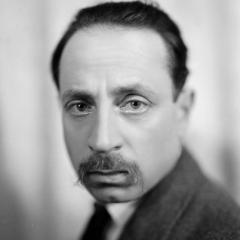
Author

Rainer Maria Rilke
Rainer Maria Rilke

German poet known for his profound poetry and epistolary works. Rainer Maria Rilke's poetry style is unique, often exploring themes such as loneliness, love, and religious faith. more

You May Also Like

“Ar žinote, kad aš dabar mėgstu prisiminti ir tam tikru laiku aplankyti tas vietas, kur kitados esu buvęs saviškai laimingas, mėgstu kurti savąją dabartį pagal tai, kas yra nebegrįžtamai praėję, ir dažnai slampinėju kaip šešėlis be reikalo ir be tikslo, nuliūdęs ir nusiminęs, Peterburgo užkampiais bei gatvėmis. Ir vis kokie atsiminimai! Pavyzdžiui, prisi­meni, kad štai čia lygiai prieš metus, lygiai tuo pačiu laiku, tą pačią valandą, šituo pačiu šaligatviu taip pat vaikštinėjai vienišas, taip pat nusiminęs kaip ir dabar! Ir prisimeni, kad ir tuomet svajonės buvo liūdnos, ir nors ir pirma buvo ne geriau, bet vis tartum jauti, kad gal ir lengviau, ir ramiau buvo gyventi, kad nebuvo tų sun­ kių minčių, kurios dabar prikibo prie manęs; kad nebu­ vo sąžinės graužimo, niūraus, rūškano graužimo, kuris dabar nei dieną, nei naktį neduoda ramybės. Ir klausi save: kurgi tavo svajonės? Ir linguoji galvą, sakai: kaip greitai bėga metai! Ir vėl klausi save: o ką gi tu nu­ veikei per tuos savo metus? kur palaidojai savo gražiau­siąjį laiką? Gyvenai tu ar ne? Žiūrėk, sakai sau, žiūrėk, kaip pasaulyje darosi šalta. Dar praeis keleri metai, ir po jų ateis niūri vienatvė, atslinks kretanti senatvė su lazda, o po jų maudulys ir nusiminimas. Nublanks tavo fantastinis pasaulis, sustings, nuvys tavo svajonės ir nu­ byrės kaip geltoni lapai nuo medžių... O Nastenka! Juk bus liūdna likti vienam, visiškai vienam, ir netgi netu­ rėti ko gailėtis—nieko, ničnieko... nes viskas, ko ne­ tekai, visa tai, viskas buvo niekis, kvailas, tuščias nulis, buvo vien tik svaja!”

“С самого утра меня стала мучить какая-то удивительная тоска. Мне вдруг показалось, что меня, одинокого, все покидают и что все от меня отступаются. Оно, конечно, всякий вправе спросить: кто же эти все? потому что вот уже восемь лет, как я живу в Петербурге, и почти ни одного знакомства не умел завести”

“I was familiar with the little mating rituals of getting to know each other, of dragging out the stories from childhood, summer camp, and high school, the famous humiliations, and the adorable things you said as a child, the familial dramas—of having a portrait of yourself, all the while making yourself out to be a little brighter, a little more deep than deep down you knew you actually were. And though I hadn’t had more than three or four relationships, I already knew that each time the thrill of telling another the story of yourself wore off a little more, each time you threw yourself into it a little less, and grew more distrustful of an intimacy that always, in the end, failed to pass into true understanding.”