“What Mr. Rothschild had discovered was the basic principle of power, influence, and control over people as applied to economics. That principle is "when you assume the appearance of power, people soon give it to you." Mr. Rothschild had discovered that currency or deposit loan accounts had the required appearance of power that could be used to INDUCE PEOPLE [WC emphasis] (inductance, with people corresponding to a magnetic field) into surrendering their real wealth in exchange for a promise of greater wealth (instead of real compensation). They would put up real collateral in exchange for a loan of promissory notes. Mr. Rothschild found that he could issue more notes than he had backing for, so long as he had someone's stock of gold as a persuader to show to his customers. Mr. Rothschild loaned his promissory notes to individuals and to governments. These would create overconfidence. Then he would make money scarce, tighten control of the system, and collect the collateral through the obligation of contracts. The cycle was then repeated. These pressures could be used to ignite a war. Then he would control the availability of currency to determine who would win the war. That government which agreed to give him control of its economic system got his support.”
Quote by Milton William Cooper
Book:Behold a Pale Horse
Work
Behold a Pale Horse
Browse quotes and source details for this work. more
Author
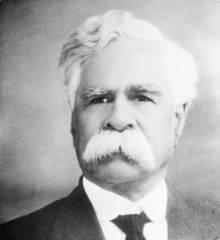
Milton William Cooper
Milton William Cooper was an American author born on May 6, 1943, and died on November 6, 2001. He is known for his works on conspiracy theories, particularly his book 'The Secret Government'. more
You May Also Like
“Thanksgiving is a joyous invitation to shower the world with love and gratitude.”
Source: The City We Became
Source: Evil Is Always Human
Source: Fortress of Dragons
Source: Healology
Source: Christopher Hitchens and His Critics: Terror, Iraq, and the Left
Source: Our Culture, What's Left of it: The Mandarins and the Masses
“We may regard certain days as free days. Free days are however fee days. We will pay later”
Source: The Untapped Wonderer In You: dare to do the undone
Source: Jitterbug Perfume