“This, I think, should answer why I have more often than not written stories which, for a convenient label, are called science fiction. There are few literary fields, it seems to me, that deal so strikingly with themes that concern us all today; there are few more exciting genres; there are none fresher or so full of continually renewed and renewable concepts. It is, after all, the fiction of ideas, the fiction where philosophy can be tinkered with, torn apart, and put back together again, it is the fiction of sociology and psychology and history compounded and squared by time. It is the fiction where you may set up and knock down your own political and religious and moral states. It can be a high form of Swiss watch-making. It can be poetry. It has resulted in some of the greatest writing in our past, from Plato and Lucian to Sir Thomas More and François Rabelais and on down through Jonathan Swift and Johannes Kepler to Poe and Edward Bellamy and George Orwell....”
Quote by Ray Bradbury
Book:Fahrenheit 451
Work
Fahrenheit 451
Ray Bradbury's Fahrenheit 451 is a thought-provoking novel set in a future society where books are banned and firemen are employed to burn any that are found. The story follows a fireman named Guy Montag who begins to question the status quo and the role of literature in society. more
Author
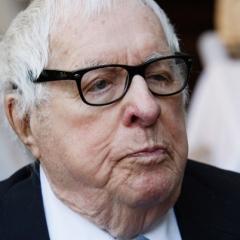
Ray Bradbury
Ray Bradbury, born on August 22, 1920, and died on June 5, 2012, was an influential American science fiction writer, playwright, and poet. His works are known for their unique imagination and profound philosophical insights, which have had a profound impact on the science fiction genre. more
You May Also Like
Source: The Lost Story of Eva Fuentes
Source: Fahrenheit 451
Source: Fahrenheit 451
Source: Uma delicada coleção de ausências
“In Harbor Cove, the truth isn’t buried — it’s simply filed where no one thinks to look.”
Source: Every Day I Read: 53 Ways to Get Closer to Books
Source: The Cupid Chronicles
Source: The Pitch Queen
Source: Съкровището на Цезар