“And Dickon helped him, and the Magic—or whatever it was—so gave him strength that when the sun did slip over the edge and end the strange lovely afternoon for them there he actually stood on his two feet—laughing.”
Book:The Secret Garden
“And Dickon helped him, and the Magic—or whatever it was—so gave him strength that when the sun did slip over the edge and end the strange lovely afternoon for them there he actually stood on his two feet—laughing.”
This novel, known for its evocative imagery and emotional depth, follows the journey of a young orphan girl who discovers a neglected garden in her new home. Through her efforts to restore the garden, she learns about the power of nature and the importance of nurturing one's inner and outer landscapes. more
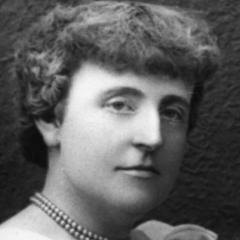
Frances Hodgson Burnett was an English playwright known for her rich imagination and delicate emotional descriptions. Her works spanned various genres including drama, novels, and poetry, with her most famous works being 'Little Women' and 'The Secret Garden'. Born on November 24, 1849, she passed away on October 29, 1924. more
“The past is a terrible place to live, but some people can make a home nowhere else.”
“We do not mourn the memories lost. We mourn the ones which beset us as loyal friends.”
“Magic, like nostalgia, was like a lie; empty and full all at once.”
“Old dreams are too beautiful the way they once were.”