“Amory had rather a Puritan conscience. Not that he yielded to it--later in life he almost completely slew it--but at fifteen it made him consider himself a great deal worse than other boys... unscrupulousness... the desire to influence people in almost every way, even for evil... a certain coldness and lack of affection, amounting sometimes to cruelty... a shifting sense of honor... an unholy selfishness... a puzzled, furtive interest in everything concerning sex. There was, also, a curious strain of weakness running crosswise through his make-up... a harsh phrase from the lips of an older boy (older boys usually detested him) was liable to sweep him off his poise into surly sensitiveness, or timid stupidity... he was a slave to his own moods and he felt that though he was capable of recklessness and audacity, he possessed neither courage, perseverance, nor self-respect. Vanity, tempered with self-suspicion if not self-knowledge, a sense of people as automatons to his will, a desire to "pass" as many boys as possible and get to a vague top of the world... with this background did Amory drift into adolescence.”
Quote by F. Scott Fitzgerald
Work
This Side of Paradise is a seminal work of American literature, offering a vivid portrayal of the Roaring Twenties. The story follows the protagonist, Amory Blaine, as he navigates the social and romantic landscapes of New York City and Europe. The novel is known for its exploration of themes such as youthful idealism, the pursuit of happiness, and the challenges of adulthood. more
Author
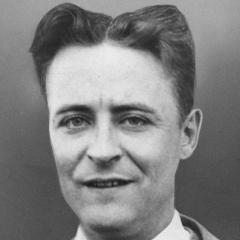
F. Scott Fitzgerald was an American author of novels and short stories, renowned for his works that encapsulate the Jazz Age and the Roaring Twenties. His most celebrated novel, 'The Great Gatsby,' is a critical and commercial success, reflecting the themes of the American Dream and the decline of the American upper class. more
You May Also Like
“Characters begin as your children and become your teachers.”