“There was an irony and a paradox here: Franco thought of Pontito constantly, saw it in fantasy, depicted it, as infinitely desirable – and yet he had a profound reluctance to return. But it is precisely such a paradox that lies at the heart of nostalgia – for nostalgia is about a fantasy that never takes place, one that maintains itself by not being fulfilled. And yet such fantasies are not just idle daydreams or fancies; they press toward some fulfillment, but an indirect one - the fulfillment of art. These, at least, are the terms that D. Geahchan, the French psychoanalyst, has used. With reference in particular to the greatest of nostalgies, Proust, the psychoanalyst David Werman speaks of an 'aesthetic crystallization of nostalgia' - nostalgia raised to the level of art and myth.”
Quote by Oliver Sacks
Work
An Anthropologist on Mars: Seven Paradoxical Tales
This book delves into the intricacies of human existence through a series of narratives that challenge conventional wisdom and explore the paradoxes inherent in human nature. more
Author
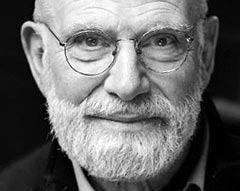
Oliver Sacks
Oliver Sacks was a renowned neurologist known for his profound insights into the human brain and nervous system. His work delved into the relationship between brain diseases and human behavior, revealing the fascinating world of neuroscience to readers. more
You May Also Like
“Maybe that's just what nostalgia is: a willingness to embrace the pain of the past.”
Source: The Guineveres
Source: Human Traces
“La nostalgia desgasta y aniquila, es el vicio de los desterrados.”
Source: De amor y sombra
Source: Gut Symmetries
Source: The Dead Ladies Project: Exiles, Expats, and Ex-Countries
“To have what you have never had, you have to do what you have never done.”
Source: The Light in the Heart
Source: Howl's Moving Castle
Source: Beacon 23