Quotessence
Home / Quotes / Quote by Neil Gaiman

Quote by Neil Gaiman

“Oh, monsters are scared', said Lettie. 'And as for grown-ups...' She stopped talking, rubbed her freckled nose with a finger. Then, 'I'm going to tell you something important. Grown-ups don't look like grown-ups on the inside either. Outside, they're big and thoughtless and they always know what they're doing. Inside, they look just like they always have. Like they did when they were your age. The truth is, there aren't any grown-ups. Not one, in the whole wide world.' ... We sat there, side by side, on the old wooden bench, not saying anything. I thought about adults. I wondered if that was true: if they were all really children wrapped in adult bodies, like children's books hidden in the middle of dull, long books. The kind with no pictures or conversations.”

Quote by Neil Gaiman

Work

The Ocean at the End of the Lane

This novel delves into the complex relationship between a young boy and the enigmatic woman who lives at the end of his lane. The story is interwoven with elements of fantasy and the supernatural, creating a chilling atmosphere that lingers long after the final page is turned. more

Author
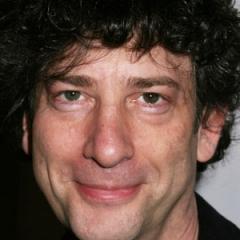
Neil Gaiman
Neil Gaiman

Neil Gaiman, born on November 10, 1960, is a renowned British author. His works span across various genres including fantasy, horror, and science fiction, with notable titles such as 'American Gods' and 'Good Omens'. Gaiman's writing style is distinctive and has won him a dedicated fan base. more

You May Also Like

“Curst be the Gold and Silver which persuade Weak Men to follow far-fatiguing Trade! The Lilly-Peace outshines the silver Store, And Life is dearer than the golden Ore. Yet Money tempts us o'er the Desert brown, To ev'ry distant Mart and wealthy Town: Full oft we tempt the Land and Sea; And are we only yet repay'd by Thee? Ah! why was Ruin so attractive made, Or why fond Man so easily betrayed? -Eclogue the Second. Hassan; or the Camel-driver”

“He hated the Inquisition and what it had done to the Spains. He found it logical that the Church should want to safeguard the doctrines that empowered it, but at what cost? Thousands upon thousands had been tortured, hundreds upon hundreds had died in agony, tens of thousands had been banished from the land. A whole society had been upended. But preserving the Faith was only part of it. The war for the crown of Castile, in which his family had been slaughtered, plus the war in Grenada–the whole Reconquista, in fact–had bankrupted the monarchy. Banishing the Jews and Moors did more than make the Spains a Christian realm. It left the abandoned properties to be looted by the Church and the royal treasury–an equal share between them. The same with heretics: the Church and the treasury divided their property and money down the middle. Wealth and power–the two Holy Grails of Church and state.”

“Flowers that are offered for the dead, do not know the difference of where their beauty will be placed, they do not say, "This is not a palace" or "This is not a garden"; they just are. They are just beautiful, without giving regards to whether they are placed on a grave or in a castle. Flowers are just beautiful, whether they grow by the wayside or in a manicured garden. If we were all like flowers, then we would all be beautiful, with no regards to why or how. We just are. We are just beautiful.”