Quotessence
Home / Quotes / Quote by John Steinbeck

Quote by John Steinbeck

“The Carmel is a lovely little river. It isn't very long but in its course it has everything a river should have. It ... tumbles down a while, runs through shallows, ... crackles among round boulders, wanders lazily under sycamores, spills into pools where trout live ... In the winter, it becomes a torrent, ... and in the summer it is a place for children to wade in and for fishermen to wander in.”

Quote by John Steinbeck

Work

Cannery Row

Cannery Row is a novel by John Steinbeck that portrays the lives of the residents of a street in Monterey, California, known for its sardine canning industry. The story centers on a group of eccentric and impoverished characters, including a marine biologist named Doc, a group of unemployed men led by Mack, and various other local figures. The narrative weaves together their daily struggles, friendships, and small adventures, capturing a sense of community and resilience amid economic hardship. The book is known for its episodic structure, humor, and sympathetic depiction of marginalized people, reflecting Steinbeck's interest in social issues and the human condition. more

Author

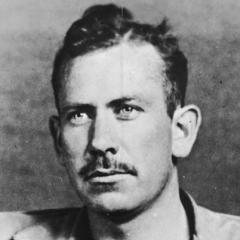
John Steinbeck
John Steinbeck

John Steinbeck was an American author renowned for his profound depiction of American society and the lives of farmers. His works often explore themes of poverty, social injustice, and human nature. Steinbeck was awarded the Nobel Prize in Literature in 1962 for his significant contribution to American literature. more

You May Also Like

“Einen Staat Deutschland hat es ja überhaupt nie gegeben, und man mag doch sagen, was Großes die reine Staatsidee bei uns hervorgebracht hätte. Denn diese Idee ist uns ursprünglich fremd, und erst in den letzten Jahrhunderten durch die romanisirende Bil­dung eingeimpft worden, daher sie auch bis diesen Tag noch als ein exotisches Gewächs erscheint, soviel Mühe man sich auch geben mag, uns ein politisches Bewußtsein einzutrichtern. Wir haben keins, und werden's schwerlich je bekommen. Der Deutsche hat einen Standesgeist, einen Cor­porationsgeist, einen landsmannschaftlichen Geist, einen Nationalgeist, kurz er hat alles andere, nur keinen S t a a t s g e i s t . Wir unsererseits klagen darüber nicht.”

“så lad det være den største forbryder, han er dog et menneske som jeg; også han har været uskyldig! Hvem veed, hvor mange haarde kampe han kjæmpede, før han gjorde det første skridt til sin ulykke; lidt efter lidt gled han dybere, - pludselig bliver ingen en forbryder: det ere lidenskaber, opdragelse og en forunderlig sammenkjædning af omstændigheder, som danner vores livs malerie, - vi maa afskye forbryderens handlinger, men kan menneskeligheden dadles om den beklager ham? Hvem veed hvorledes vi havde handlet, om vi vare fødte i hans stilling, med hans lidenskaber og begreber?”

“Fangen véd selv, at han er fange, en udstødt, et deklasseret subjekt, og han kender sin stilling overfor de overordnede. Men hverken brændemærker eller fodlænker, ejheller lænken til væggen, kan få ham til at glemme, at han er menneske. Og eftersom han i virkeligheden ER et menneske, så må han også behandles menneskeligt. Du store gud - man kan jo alene ved MENNESKELIG behandling gøre endog sådanne væsener til mennesker, hos hvem ethvert spor af gudsbilledet forlængst, forlængst er udslettet. Med disse ‘ulykkelige’ burde man omgås om muligt endnu mere menneskeligt end med nogen anden, thi det er deres eneste trøst og styrkelse og bliver deres redning.”

“How could a nation rich in resources and land, and free from fear of attack, understand the position of a tiny, crowded island empire with almost no natural resources, which was constantly in danger of attack from a ruthless neighbor, the Soviet Union? America herself had, moreover, contributed to the atmosphere of hate and distrust by excluding the Japanese from immigration and, in effect, flaunting a racial and color prejudice that justifiably infuriated the proud Nipponese.”