Quotessence
Home / Quotes / Quote by Roberto Calasso

Quote by Roberto Calasso

“For society to be well ordered, it will have to regard great pleasures as hostile and troublesome in relation to the whole. But not because they conceal the power of the unlimited. On the contrary: because they would compel us to recognize that the power of the unlimited is concealed in money itself.”

Quote by Roberto Calasso

Work

The Ruin of Kasch

This book is a work of fantasy, taking readers on an epic journey through a world filled with wonder and peril. The story delves into the ruins of the ancient city of Kasch, uncovering secrets and mysteries that have been lost to time. more

Author

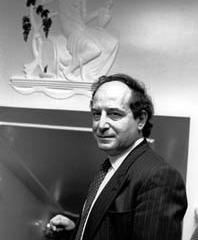
Roberto Calasso
Roberto Calasso

Roberto Calasso is an Italian writer renowned for his profound insights into literature, art, and history. His works often delve into complex philosophical and ideological issues, earning him a dedicated readership. more

You May Also Like

“We could experience limitless ecstasy. Ecstasy is every sensual thing that ever could happen in the present and future. It can all be a part of our daily life experience, but our sensual capacity is too small to allow it to happen. That’s why we must be totally devoted to the limitless expansion expansion of our sensuality, we must come play in the limitless, so that everything that ever could happen would have somewhere to happen in.”

“He looked deep into my eyes and then continued, “I’m sorry this is happening to you, but it’s never going to change until you decide that you’re done with this life. As long as you think these things are the ultimate pleasure that life has to offer, you will keep seeking them. As long as you keep seeking them, you’ll feel divided inside; you will also keep breaking the law. I know these consequences suck, but as long as you keep breaking the law, you’ll keep bringing them on yourself. It won’t ever stop until you decide to change. God helped me change my life, maybe He’ll help you too.”

“I suddenly realized that I was in the center of my world, and my emotions were at the center of me. They were the basis of my identity. Emotions had been my center point, the lens through which my reality was dispersed and regulated. The desire for pleasure, satisfaction, approval, and recognition had ruled my life.”