“… nous sommes invités, par le moment présent, à nous connecter avec l’intention d’incarner de notre mieux le calme, la pleine conscience et la sérénité ici et maintenant.”
Quote by Jon Kabat-Zinn
Work
Wherever You Go, There You Are: Mindfulness Meditation in Everyday Life
This book explores the principles of mindfulness meditation and offers practical techniques for applying them to everyday situations, aiming to enhance mental clarity and emotional well-being. more
Author
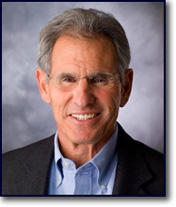
Jon Kabat-Zinn
Jon Kabat-Zinn is an American professor known for his contributions to mindfulness meditation and Mindfulness-Based Stress Reduction (MBSR). Born on June 5, 1944, he is a professor at the University of Massachusetts Amherst and the founder and director of the Center for Mindfulness. more
You May Also Like
“I live my life authentically, fearlessly, and unapologetically.”
Source: All Worlds Wayfarer: Through Other Eyes
“Now, attend me while I tell the story of how I killed my sister.--The Harpy's Son”
Source: All Worlds Wayfarer: Through Other Eyes
Source: All Worlds Wayfarer: Through Other Eyes
Source: I, Tituba, Black Witch of Salem
Source: I, Tituba, Black Witch of Salem
“Il est bon à savoir. It is good to know.”
Source: Conversion
“Civic sense without common sense leads to mob violence.”
Source: Rowdy Scientist: Handbook of Humanitarian Science