Quotessence
Home / Quotes / Quote by Jerome K. Jerome

Quote by Jerome K. Jerome

“I looked at the piles of plates and cups, and kettles, and bottles and jars, and pies and stoves, and cakes, and tomatoes, &c., and felt that the thing would soon become exciting. It did. They started with breaking a cup. That was the first thing they did. They did that just to show you what they COULD do, and to get you interested.”

Quote by Jerome K. Jerome

Work

Three Men in a Boat

This classic novel follows the adventures of three friends as they embark on a simple boating journey along the River Thames. The narrative is filled with wit and observations of the English countryside, offering readers a charming glimpse into the lives of the characters and the era in which the story unfolds. more

Author

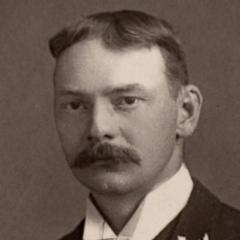
Jerome K. Jerome
Jerome K. Jerome

Jerome K. Jerome was an English writer known for his humorous and satirical style. His works, such as 'Three Men in a Boat' and 'The Wind in the Willows', are beloved by readers. more

You May Also Like

“My travels inevitably begin with copious research and planning. I began this kind of planning long ago when I was very young and anxious to hit the road. Hours were spent pouring over junior encyclopedias memorizing the names of exotic-sounding cities---Addis, Ababa, Samarkand, Damascus. Lengthy lists were written detailing the most minute necessities: three pairs of socks, two pencils. spare batteries, rope.”

“In his world, people didn’t just up and move house with barely any warning. They had employers to give at least a month’s notice to, family members popping in to help them pack, and scores of friends to throw them tearful going-away parties. They didn’t pack up their possessions in a single morning, say “I’ll be off, then,” and just go.”

“How To Be An Explorer Of The World 1. Always Be LOOKING (notice the ground beneath your feet.) 2. Consider Everything Alive & Animate 3. EVERYTHING Is Interesting. Look Closer. 4. Alter Your Course Often. 5. Observe For Long Durations (and short ones). 6. Notice The Stories Going On Around You. 7. Notice PATTERNS. Make CONNECTIONS. 8. DOCUMENT Your Findings (field notes) In A VAriety Of Ways. 9. Incorporate Indeterminacy. 10. Observe Movement. 11. Create a Personal DIALOGUE With Your Environment. Talk to it. 12. Trace Things Back to Their ORIGINS. 13. Use ALL of the Senses In Your Investigations.”

“Dear Mr. Duke, As requested, here is an inventory of the animals in my care: *Bixby, a two-legged terrier. *Marigold, a nanny goat of unimpeachable character, who is definitely not breeding. *Angus, a three-year-old Highland steer. *Regan, Goneril, and Cordelia- laying hens. *Delilah, a parrot. *Hubert, an otter. *Freya, a hedgehog. *Thirteen kittens of varying colors and dispositions. Gabe leafed through the report in disbelief. It went on for pages. She'd given not only the names, breeds, and ages of every misbegotten creature, but she'd appended a chart of temperaments, sleeping schedules, preferred bedding, and a list of dietary requirements that would beggar a moderately successful tradesman. Along with the expected hay, alfalfa, corn, and seed, the animals required several pounds of mince weekly, daily pints of fresh cream, and an ungodly number of sardines. The steer and thee goat, she insisted, must go to the same loving home. Apparently they were tightly bonded, whatever that meant, and refused to eat of parted. The laying hens did not actually lay with any regularity. Their previous owners had grown frustrated with this paltry production, and thus they had come into Her Ladyship's care. And the lucky bastard who accepted a ten-year-old hedgehog? Well, he must not only provide a steady supply of mealworms, but remain ever mindful of certain "traumatic experiences in her youth.”