Quotessence
Home / Quotes / Quote by Edna St. Vincent Millay

Quote by Edna St. Vincent Millay

Author
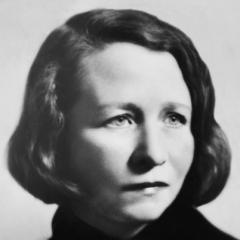
Edna St. Vincent Millay

American poet, known for her lyrical and free verse poetry. Her poems are characterized by their deep portrayal of nature, love, and the female experience. Millay won the Pulitzer Prize for Poetry in 1923, becoming the first woman to receive the award. more

You May Also Like

“Do not watch yourself too closely. Do not draw over-rapid conclusions from what is happening to you. Simply let it happen. Otherwise you will too readily find yourself looking on your past, which is of course not uninvolved with everything that is going on in you now, reproachfully (that is, moralistically). The extraordinary circumstances of a solitary and helpless childhood are so difficult, so complicated, exposed to so many influences and at the same time removed from any real life context, that if a vice enters into it we must not be too quick to call it a vice. We should in general be very careful with names; it is so often the name of a crime which destroys a life, not the nameless and personal act itself, which was perhaps completely necessary to that life and could have been absorbed by it without difficulty.”

“I always wanted to be a sad white girl. I wanted to be sad like Lana Del Rey. I wanted a sadness so universal, it'd move everyone to tears. A sadness everyone could related to. "I want a summertime, summertime sadness". My sadness is about domestic violence, homelessness, gender dysphoria, intergenerational trauma passed down from Salvdorean Civil War, etc, etc. My sadness is something to observe, consume, sympathize, but NOT EMPATHAZE WITH (not to mobilize for). Most people do not know how to interact with my sadness. My sadness is so multifaceted, it speaks twenty languages.”

“ഓരോ കടലമണി കരണ്ടു തിന്നുമ്പോഴും ഉപേക്ഷിക്കപ്പെട്ടു കഴിയുന്ന അച്ഛനമ്മമാരുടെ മനസ്സിലെ എല്ലാ വേദനകളും കരളുക. ഈ കടലമണികളോടൊപ്പം അവയും ഇല്ലാതാവട്ടെ.”

“I love the buildings. They're called skyscrapers. They're the closest thing to an ocean here. But it's an ocean that goes straight up, not flat out. They say that the body of water stretching away to the east of Manhattan is the ocean but it isn't. Not my ocean, anyway. It's weird because back home I just took it for granted, my grey-green sea. Now I have a granite ocean. It gives me the same happy-sad feeling I need sometimes. When I look straight up at the buildings I can feel alone in a good way. Not in that horrible way of no one knows me.”