“Experiment to me Is every one I meet. If it contain a kernel? The figure of a nut Presents upon a tree, Equally plausibly; But meat within is requisite, To squirrels and to me.”
Quote by Emily Dickinson
Work
The Collected Poems of Emily Dickinson
This volume includes a selection of Emily Dickinson's renowned poetry, reflecting her innovative use of form and her exploration of personal and philosophical themes. Dickinson's work is celebrated for its originality and depth, offering readers a glimpse into the mind of one of America's most influential poets. more
Author
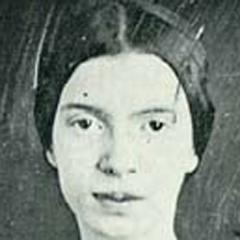
Emily Dickinson
Emily Dickinson was a renowned American poet of the 19th century, known for her unique poetic style and profound introspection. Her poetry is characterized by its concise form and philosophical language, often exploring themes such as life, death, nature, and religion. more
You May Also Like
Source: The Fireman
“If your conscience objects, surely God also objects since He is even greater.”
Source: ONE: Unfolding God's Eternal Purpose from House to House
Source: Orlando
“Are you going to judge a person's character by their mistakes or by their achievements?”
“.... the last leg of marathon is always most trying and testing ....”
“I can tell you who I am, but I’d rather have you watch who I am.”
Source: Six Characters in Search of an Author