Quotessence
Home / Quotes / Quote by Italo Calvino

Quote by Italo Calvino

“Du hast offenbar die Gewohnheit, mehrere Bücher gleichzeitig zu lesen, dir für die verschiedenen Stunden des Tages verschiedene Lektüren zu wählen. Auch für die verschiedenen Ecken deiner immerhin doch recht kleinen Wohnung: Es gibt Bücher für deinen Nachtisch, andere finden ihren Platz neben dem Sessel, in der Küche oder im Bad. Dies könnte ein wichtiger Zug sein zur Ergänzung deines Porträts: Dein Geist hat innere Wände, mit denen du verschiedene Zeiten voneinander abtrennen kannst, um darin je nachdem innezuhalten oder vorwärtszustürmen und dich abwechselnd auf verschiedene Kanäle zu konzentrieren. Genügt das bereits, um sagen zu können, daß du gern mehrere Leben gleichzeitig leben würdest? Oder sie gar schon lebst? Daß du dein Leben mit einer Person oder in einer bestimmten Umgebung abtrennst von deinem Leben mit anderen oder woanders? Daß du bei jeder neuen Erfahrung von vornherein eine Enttäuschung mit einkalkulierst, die nicht kompensiert werden kann, es sei denn durch die Summe aller Enttäuschungen?”

Quote by Italo Calvino

Work

If on a winter's night a traveler

This novel is a postmodern work that combines elements of fantasy, science fiction, and metafiction. It follows the story of a reader who becomes immersed in a series of tales, each with its own unique style and ending. The narrative structure is non-linear and often self-referential, challenging the reader's perception of reality and the nature of storytelling. more

Author
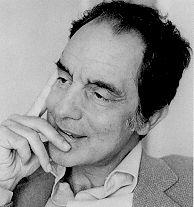
Italo Calvino
Italo Calvino

Italian writer and journalist, known for his unique narrative style and rich imagination. Calvino is considered one of the greatest writers of the 20th century, whose works have had a profound impact on literature both in Italy and around the world. more

You May Also Like

“Başını kaldırırsan, bir aydınlık göreceksin. Başının üzerinde, doğmakta olan gün, göğü aydınlatıyor: Yüzüne esen, yaprakları kımıldatan rüzgârdır. Yeniden dışarıdasın, köpekler havlıyor, kuşlar uyanıyor, renkler yeryüzüne dönüyor, şeyler yeniden uzayı dolduruyor, canlı varlıklar gene yaşam işaretleri veriyorlar. Hiç kuşkusuz, sen de varsın, burada ortada, dört bir yandan yükselen gürültüler kaynaşması içinde, hareketin uğultusu içinde, pistonların vuruşu içinde, çarkların gıcırtısı içinde. Bir yerlerden, toprağın bir kıvrımından şehir uyanıyor, giderek artan çarpma, vurma, gıcırdama sesleriyle. Artık bir gümbürtü, bir uğultu, bir gürleme bütün boşluğu kaplıyor, bütün seslenmeleri, iç çekişleri, hıçkırıkları içinde eritiyor...”

“Kirkus (starred review): A lucid, expertly researched biography of the brilliant Nikola Tesla. (Readers) will absolutely enjoy (Munson’s) sympathetic, insightful portrait. Booklist: Celebratory, comprehensive profile. ….A well-written, insightful addition to the legacy of this still-underappreciated visionary genius. Library Journal: Entrepreneurs, inventors, engineers, and futurists will find this biography inspiring. Gretchen Bakke (author of "The Grid"): Munson has provided us with an intimate tapestry of Tesla's life, personality, and inventions. Filled with quotes, and clearly researched with great care, Munson brings Tesla to life, not as a superhero but as a man—both ordinary and extraordinary. What surprised me, and proved to be one of the great pleasures of the book was to realize how much Tesla’s story is an immigrant story. Anne Pramaggiore (CEO of Commonwealth Edison): Tesla is an exactingly-researched history and wonderfully crafted tale of one of the most important and fascinating visionaries of the technological age. This book’s teachings have never been more relevant than in today’s world of digital transformation.”

“A handicapped person is, by force of circumstance, a potential expert, a mutant in the motor and sensory domain. It is no accident that the social is in creasingly being organized around him: the blind person and the spastic constitute testing grounds, interesting mechanisms which it seems proper to cerebralize, whilst at the same time socializing them for form's sake. They have it in them to become wonderful instruments, precisely because they are immobilized and therefore marked down for automatism and remote control. The normal man will never make such a good automaton as someone who is disabled or spastic. There is nothing new in all this. It was eunuchs who provided the most beautiful voices in the choirs of the Renaissance.”